
Explore the North Bangalore property market in 2026 through infrastructure, employment, and villa demand trends, without relying on speculative forecasts.
Every year brings a fresh crop of market predictions, most of them more confident than the evidence allows. This look at the North Bangalore property market 2026 keeps to the trends that are actually observable - infrastructure, employment, and demand patterns - rather than forecasting figures no one can know. The aim is a grounded picture you can build your own view on.
The Infrastructure Trend
Infrastructure remains the dominant story. Road upgrades, the ring-road grid, and the airport metro extension continue to improve access to the northern belt, and access improvements have historically shaped where demand goes. Watching which projects actually progress is the most reliable read on the North Bangalore property market 2026 has to offer.
The reason infrastructure is the most useful signal is that it is observable and slow-moving. Unlike sentiment, which can swing in weeks, a road or metro line is either being built or it is not, and its progress can be checked. A buyer who tracks actual construction rather than announcements has a far steadier read on where the belt is heading than one who follows market chatter.
The Employment Trend
Jobs keep moving north. Aerospace, manufacturing, and technology investment around the airport belt continue to anchor demand with employment, which is a steadier foundation than sentiment. This employment gravity is part of why the northern corridor keeps drawing attention, and it underpins much of the belt's residential activity.
Employment gravity tends to compound quietly over time. As more firms locate on the belt, the case for others to follow strengthens, services grow to support the workforce, and the residential demand deepens alongside. This self-reinforcing quality is why employment trends are worth watching closely - they are less about any single announcement and more about a direction of travel that, once established, tends to persist.
The Villa Demand Trend
Low-density living has held its appeal. Villa plot demand airport belt buyers show reflects a lasting preference for space, privacy, and land ownership, reinforced in recent years by a broader shift toward larger, standalone homes. On a belt where developable land is limited, that demand meets a constrained supply, which is a notable dynamic.
When lasting demand meets constrained supply, the conditions favour the owner of scarce, well-located land. That is not a prediction of any specific price move, but it is a structural observation about the balance of the market on this belt. Buyers who understand that balance are better placed to judge value than those reacting to headline sentiment either way.
The Doddaballapura Picture
The foothill belt has its own momentum. Doddaballapura market trends reflect the wider corridor's drivers, with the added draw of the Nandi Hills setting and genuinely low-density land. As the corridor's infrastructure matures, this belt tends to benefit alongside the more developed pockets, while retaining its greener character.
What Buyers Are Prioritising
Preferences have shifted in observable ways. Buyers increasingly weigh space, air quality, connectivity, and clean title, and they are more diligent about approvals than they once were. These priorities favour registered, low-density plotted communities on well-connected belts, which shapes where activity concentrates.
Reading Trends Without Overreaching
A caveat keeps this useful. Trends describe direction, not destiny, and any market can be surprised by rate moves, policy changes, or supply shifts. The honest way to use this picture is as a set of observable currents to weigh, not a forecast to bank on. Verify each trend against what is actually happening.
In summary, the 2026 picture for the northern belt is one of continuing infrastructure investment, employment-led demand, and lasting interest in low-density villa living - all real currents, none of them guarantees. Read them honestly, verify the specifics, and let them inform rather than dictate your decision.
It is worth closing on why this restraint matters. Confident annual forecasts sell well precisely because buyers crave certainty, but the honest picture is one of strong currents and real uncertainty together. A buyer who understands the currents - infrastructure, jobs, and constrained low-density supply - and respects the uncertainty is far better equipped than one clinging to a borrowed number. Read the belt that way, and 2026's trends become a useful compass rather than a false map.
A compass, notably, tells you direction without pretending to know the distance - which is exactly the right tool for a property market. The northern belt's currents point somewhere favourable, and that is genuinely useful information. Pair it with your own verification and a patient horizon, and you have everything a grounded buyer actually needs from a read of the year ahead.
Related Articles

Government Policies & Guidance Value Shaping Bangalore Property
Understand Bangalore guidance value 2026, stamp duty, registration charges, and Karnataka property policy to budget your property purchase accurately and avoid surprises.

Smart-City & Infrastructure Spending in North Bangalore
Explore how North Bangalore infrastructure spending on roads, metro, and civic upgrades is improving connectivity, liveability, and the corridor's long-term appeal.
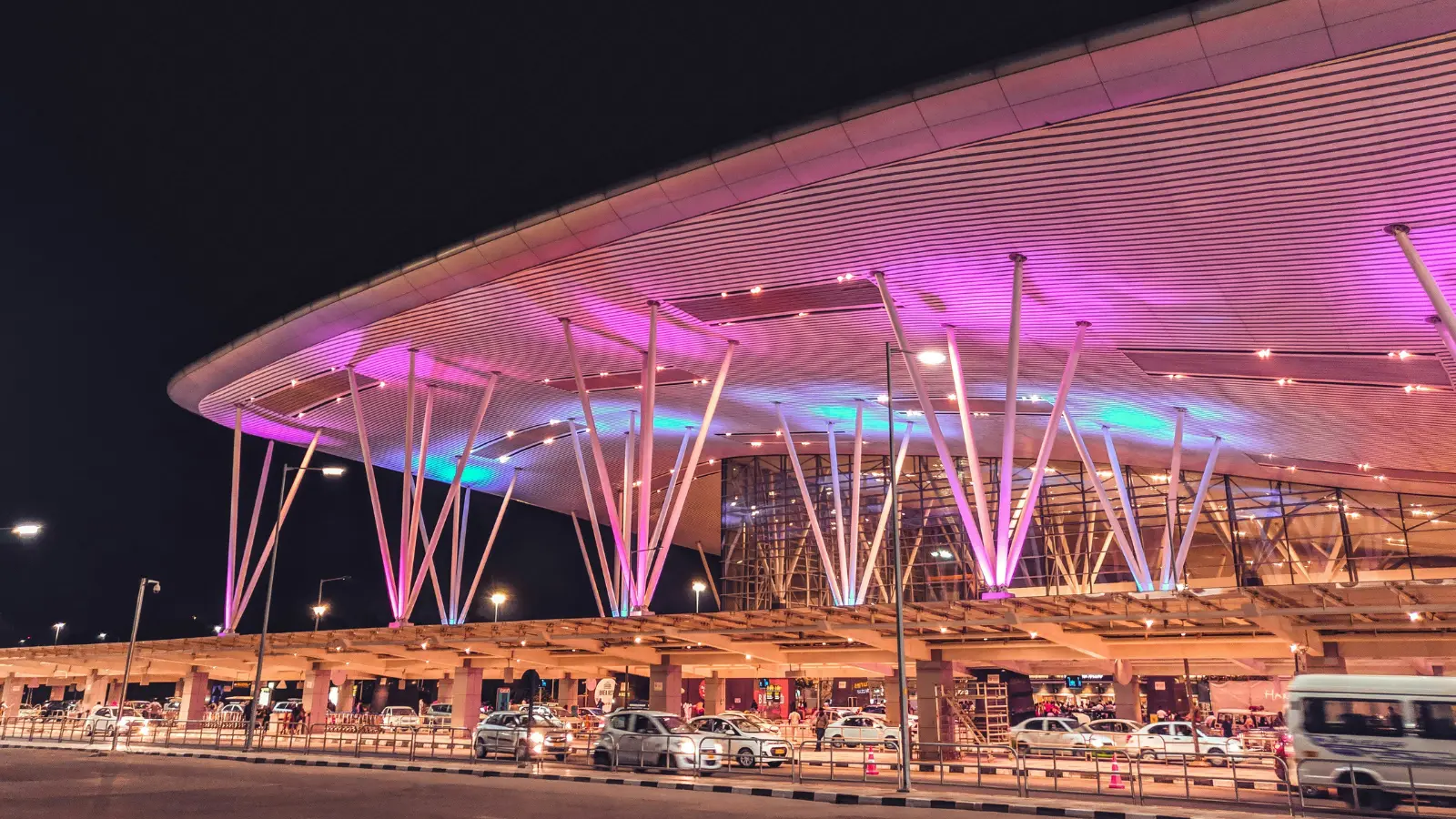
Bangalore's Aerotropolis: How the Airport Is Reshaping the North
Explore how Bangalore's airport-led aerotropolis is reshaping North Bengaluru, driving jobs, infrastructure, and housing growth, while strengthening the long-term appeal of the airport corridor.
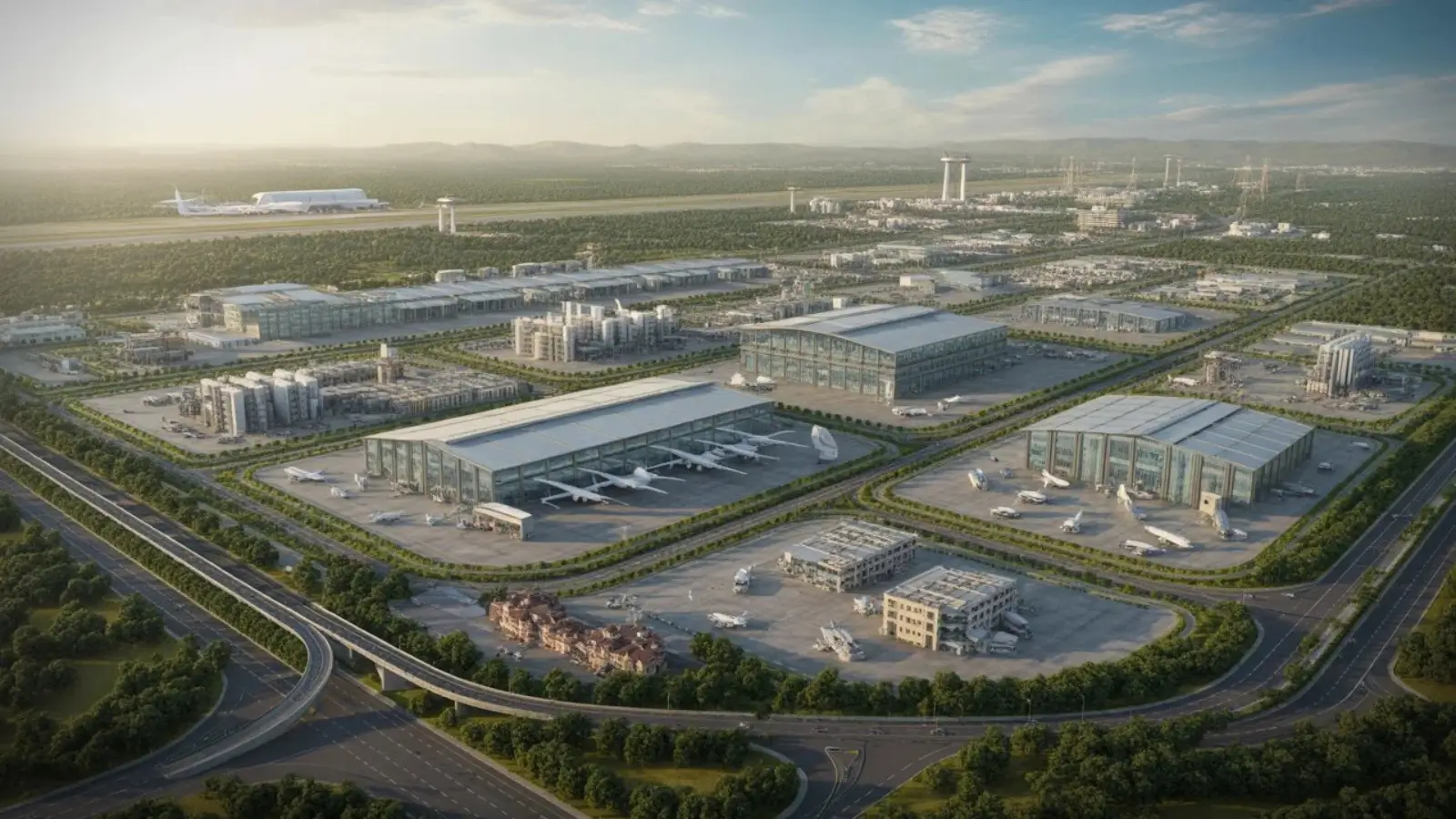
SEZs & Industrial Corridors Powering North Bangalore Real Estate
Discover how North Bangalore SEZs and industrial corridors drive jobs, attract skilled professionals, and support long-term residential demand across the airport corridor.