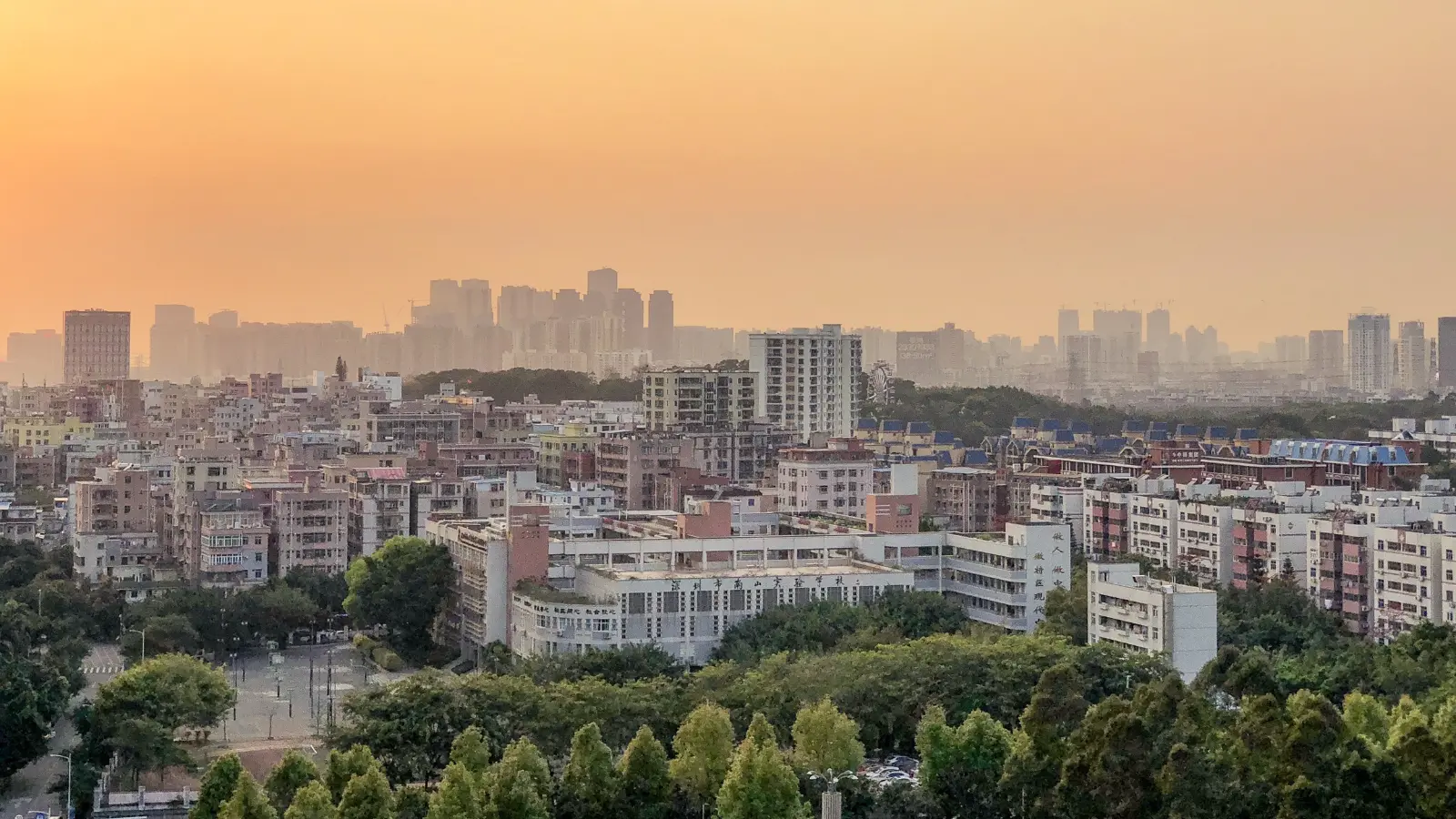
Explore how North Bangalore infrastructure spending on roads, metro, and civic upgrades is improving connectivity, liveability, and the corridor's long-term appeal.
Infrastructure spending is one of the clearest signals of where a city is investing its future. On the northern belt, that spending has been substantial. North Bangalore infrastructure spending - on roads, transit, and civic upgrades - is steadily improving the corridor. This piece explains what is being invested in, and how a buyer should read that spending honestly.
Why Infrastructure Spending Signals Intent
Public money follows priorities. Where a city directs its infrastructure spending reveals where it expects growth, because large investments are rarely made in areas expected to stay static. North Bangalore infrastructure spending is a signal that the belt is seen as a growth region worth investing in, which is a meaningful read for a buyer weighing the corridor's future.
There is a useful principle for buyers hidden in this. Rather than trying to predict a belt's future from marketing or sentiment, you can read it partly from where public money is actually going, because governments commit large infrastructure budgets based on their own growth projections. Following the spending is, in effect, following the state's own bet on where the city will expand.
Roads and Transit
Connectivity leads the spending. Road upgrades, the ring-road grid, and the airport metro extension represent major investment in how the belt connects to the rest of the city and around it. This transport spending is the backbone of the corridor's improvement, and it is the most tangible form of investment a resident actually experiences in daily life, day after day.
Of all infrastructure, transport is the kind residents feel most directly and value most highly. A shorter, more reliable commute changes daily life in a way that abstract economic indicators never do, and it is often the single biggest factor in whether a belt feels genuinely liveable. That is why transport investment tends to have such an outsized effect on how desirable an area becomes.
Smart-City Initiatives
Modern infrastructure goes beyond roads. Smart city North Bangalore initiatives can bring improvements in utilities, digital connectivity, and urban services, aimed at making the belt more liveable and efficient. Where these initiatives are implemented, they add a layer of modern civic quality that complements the physical infrastructure and supports the belt's development into a more complete place to live.
Civic Upgrades
Local improvements matter too. Civic upgrades Doddaballapura and the wider belt see - in water, drainage, lighting, and public services - improve the everyday quality of an area in ways residents feel directly. These local upgrades, alongside the headline transport projects, are part of the broader investment turning the northern belt into a more complete and comfortable place to live over time.
The combination of grand projects and humble local upgrades is what actually transforms a belt. Headline roads and metro lines capture attention, but it is the steady improvement of water, drainage, lighting, and everyday services that makes an area comfortable to live in. A corridor that sees both kinds of investment is being developed properly, not just showcased, which is the more reassuring pattern for a long-term resident.
What It Means for Property
Infrastructure and property value move together. Areas that receive sustained infrastructure investment tend to become more liveable and more sought-after, which supports long-term property demand. For a villa buyer, this spending is a supporting factor - evidence that the belt is being built up rather than left behind, which underpins its future appeal and the case for buying there.
Reading Spending Honestly
A caveat keeps this grounded. Announced spending and completed spending are different things, and infrastructure projects can be delayed or scaled back. A sensible buyer distinguishes what is actually built from what is planned, tracks progress rather than promises, and treats smart city North Bangalore initiatives as improvements to verify rather than guaranteed features already in place.
The Buyer's Takeaway
Weigh it in proportion. Infrastructure spending is a genuine, positive signal for the northern belt, pointing to a corridor being actively developed. But it is one input among several, and it works best as part of a rounded view - verified against what is real, and held alongside the setting, the plot, and the developer rather than as the whole case for a purchase.
In summary, sustained infrastructure and smart-city spending is improving North Bengaluru and signalling its growth. For a villa buyer, that investment is a real supporting factor - best read as evidence of direction, verified against what is actually being delivered on the ground.
Treated that way, infrastructure spending becomes a useful compass for a buyer rather than a marketing slogan, pointing toward a corridor that the city itself is clearly choosing to invest in and build up.
Related Articles

Government Policies & Guidance Value Shaping Bangalore Property
Understand Bangalore guidance value 2026, stamp duty, registration charges, and Karnataka property policy to budget your property purchase accurately and avoid surprises.

The IT & Startup Boom Pushing Bangalore Northward
Discover how Bangalore IT growth is shifting toward the North corridor, driving jobs, startups, and housing demand while strengthening the airport belt's long-term appeal.
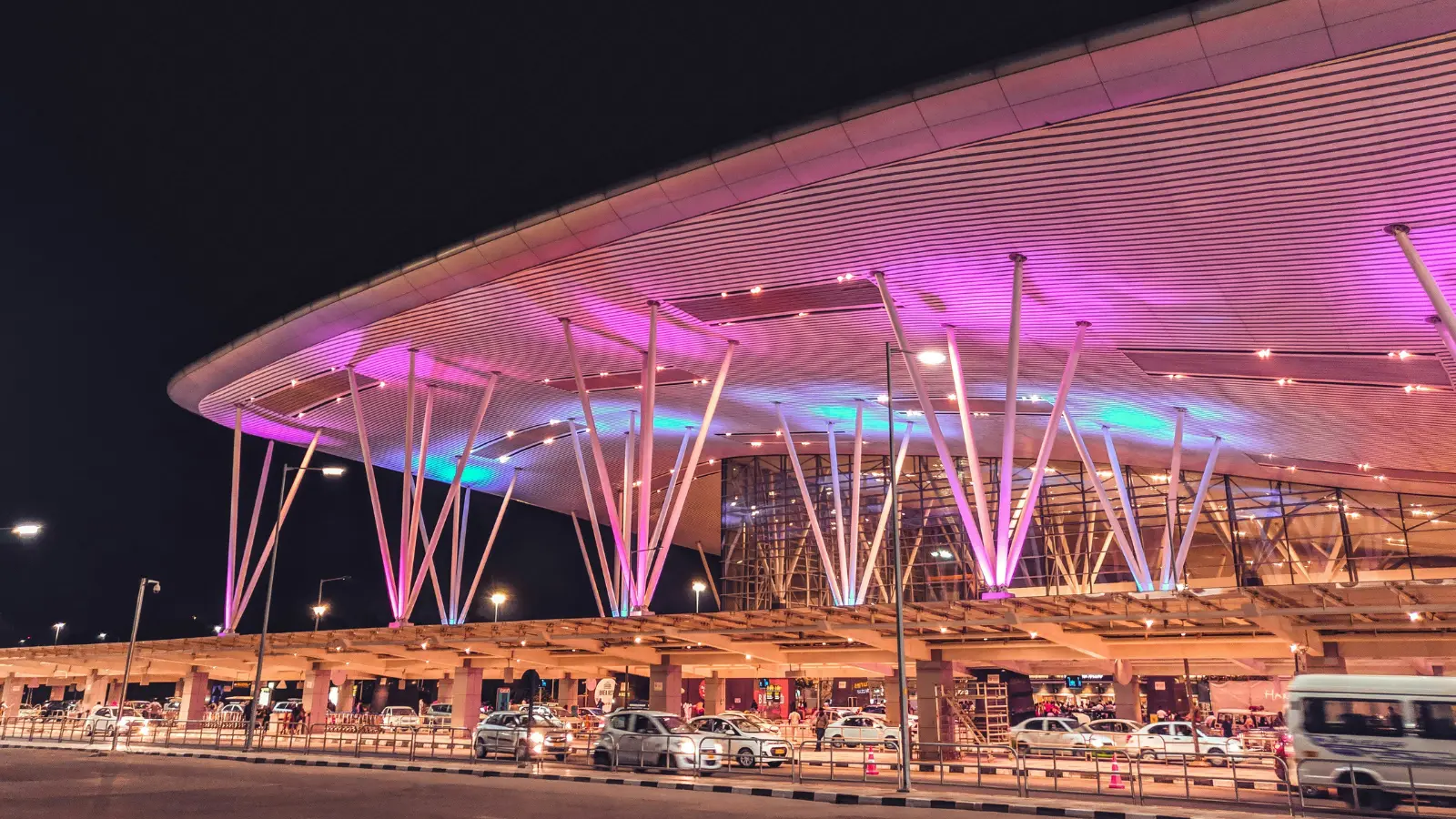
Bangalore's Aerotropolis: How the Airport Is Reshaping the North
Explore how Bangalore's airport-led aerotropolis is reshaping North Bengaluru, driving jobs, infrastructure, and housing growth, while strengthening the long-term appeal of the airport corridor.
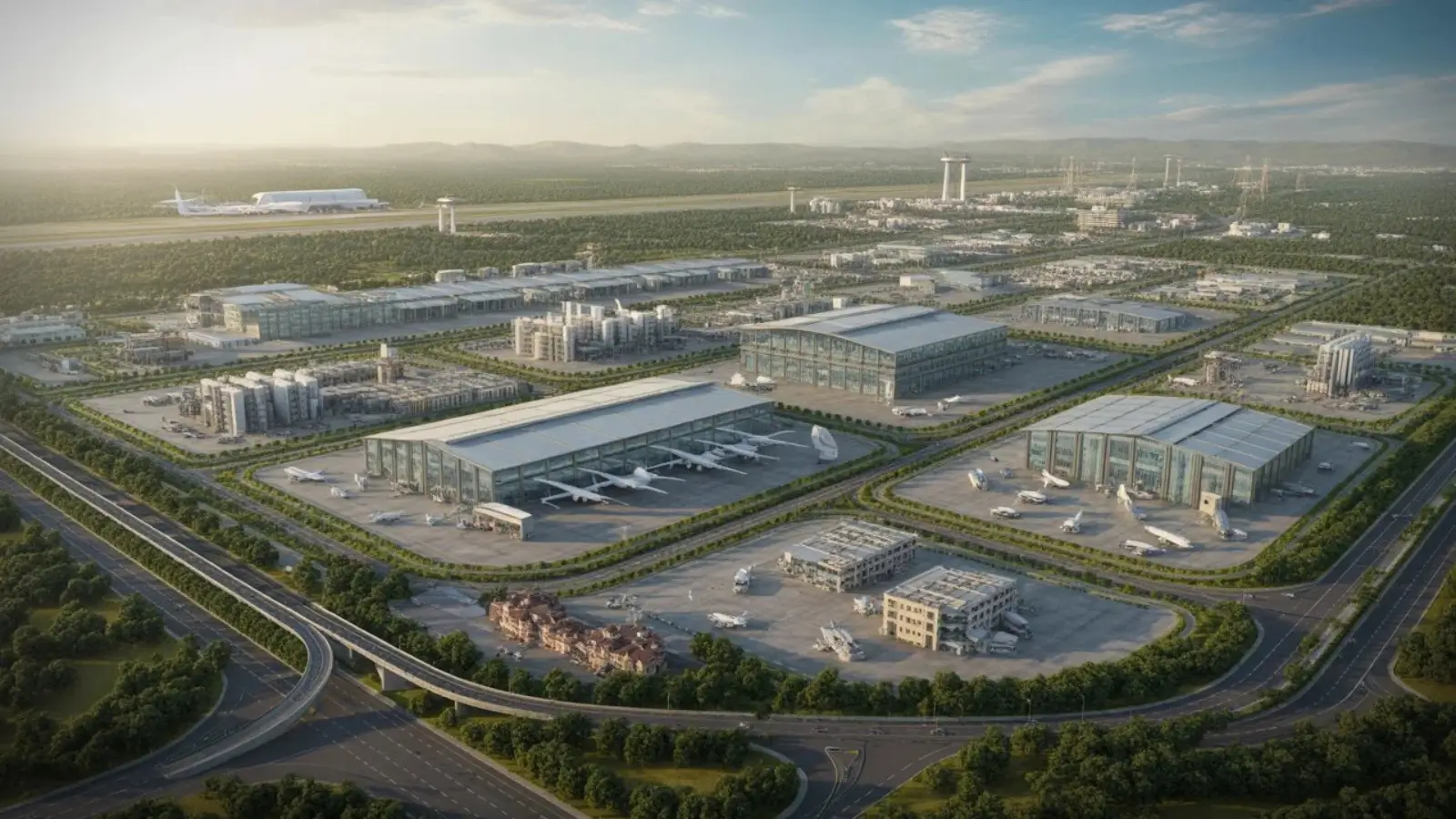
SEZs & Industrial Corridors Powering North Bangalore Real Estate
Discover how North Bangalore SEZs and industrial corridors drive jobs, attract skilled professionals, and support long-term residential demand across the airport corridor.