SEZs & Industrial Corridors Powering North Bangalore Real Estate
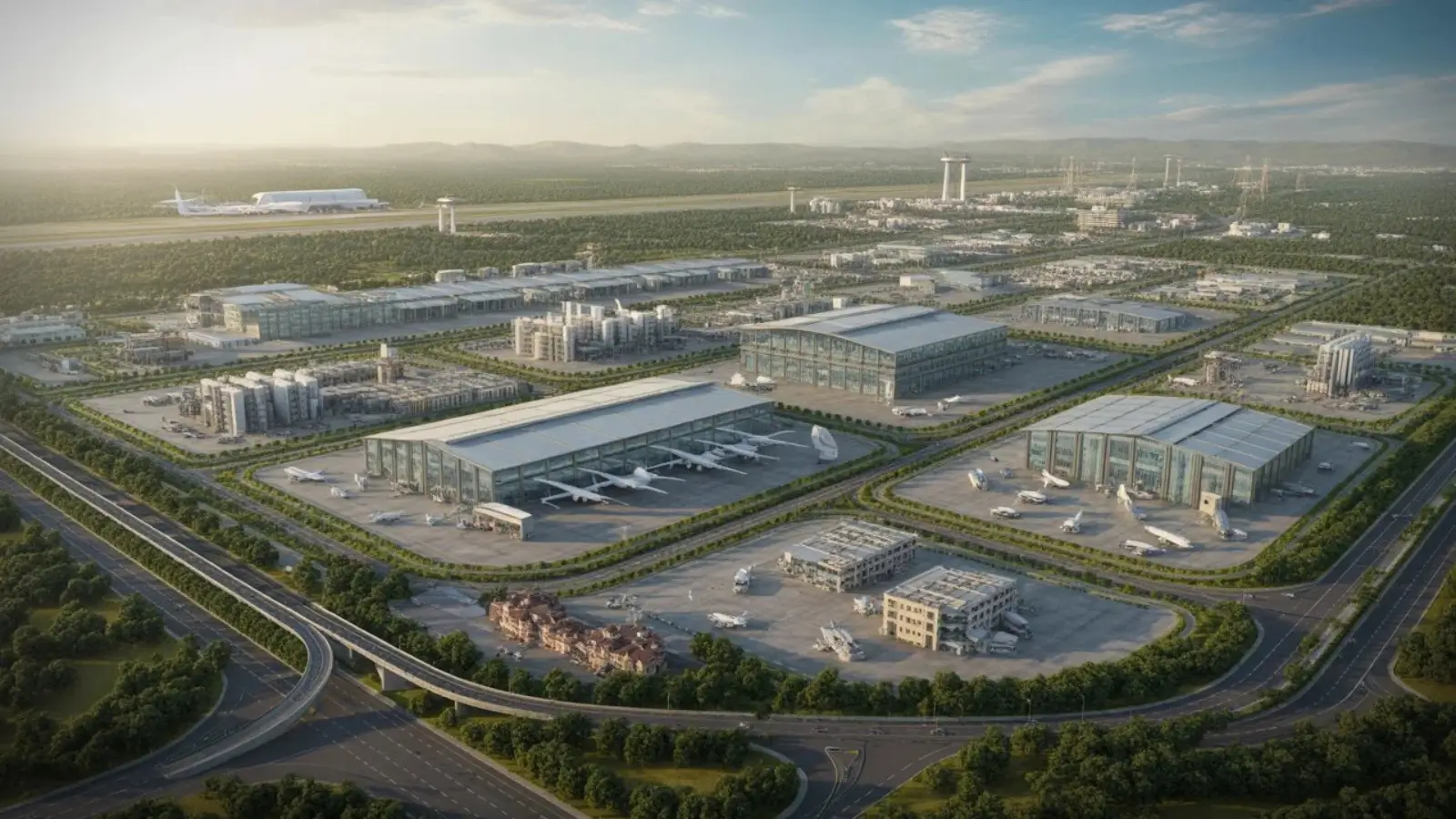
Discover how North Bangalore SEZs and industrial corridors drive jobs, attract skilled professionals, and support long-term residential demand across the airport corridor.
Behind the housing demand on any belt sits an economic engine, and on the northern corridor much of that engine is industrial. The North Bangalore SEZ real estate impact - the effect of special economic zones and industrial corridors on property - is a major driver of the belt's growth. This piece explains how these zones work and why they support residential demand.
What SEZs and Corridors Are
Start with the terms. Special economic zones are designated areas with incentives designed to attract industry and investment, while industrial corridors are planned belts of manufacturing and business activity. Together they concentrate employment and investment, and the North Bangalore SEZ real estate impact flows from that concentration of economic activity near the airport belt.
The logic that makes these zones effective is deliberate policy design. By offering incentives and clustering related industries together, governments aim to create critical mass - enough activity in one place that it becomes self-sustaining and attracts still more. When that design works, the zone becomes an economic anchor, and everything around it, including housing, is drawn into its orbit.
The Aerospace Anchor
Aerospace is central to the belt's story. An aerospace SEZ Devanahalli and the wider airport region have developed brings industrial employment and investment to the north, anchoring the corridor with a high-value sector. Aerospace tends to attract skilled, well-paid workers, which shapes the kind of housing demand the belt generates - toward quality homes rather than only basic accommodation.
This point about the quality of employment is easy to overlook but important for a premium villa belt. A zone generating large numbers of lower-paid jobs supports a very different housing market from one generating skilled, well-compensated roles. Aerospace and advanced industry tend toward the latter, which is why the demand they create aligns with the kind of quality, low-density housing a foothill villa community represents.
How Zones Drive Property
The link from industry to housing is direct. Industrial corridor property demand arises because workers, executives, and support businesses all need homes within reach of the zones. As employment concentrates, residential demand follows, which is the fundamental mechanism behind the zones' effect on the belt's property market and its long-term direction.
The Quality of Demand
Not all demand is the same. High-value sectors like aerospace and technology draw skilled professionals and executives who seek quality homes, which supports the premium end of the market. For a low-density villa belt, this matters - the industrial corridor property demand it benefits from is weighted toward the kind of buyer who wants space and quality, not just proximity to work.
Why It Supports Villa Communities
The connection reaches even quiet foothill plots. A villa community near the hills benefits indirectly from the zones, because the executives and professionals they employ are exactly the buyers who value a low-density retreat within reach of work. The zones thus underpin demand for communities like these, even ones set apart from the industrial activity itself, which is a quiet but real support.
The indirect nature of this connection is worth dwelling on, because it is genuine even though it is not obvious. A foothill villa community does not sit inside an industrial zone, nor would its buyers want it to. But the professionals those zones employ have to live somewhere, and many of them want exactly what such a community offers - space and calm within reach of their work. That is how industrial employment quietly underpins residential demand even at a remove.
Reading the Zones Carefully
Caution belongs here as always. Industrial zones and corridors develop over time, and their progress depends on investment and policy that can shift. A sensible buyer treats the aerospace SEZ Devanahalli and other zones as supporting drivers to verify, checking what is actually operating versus planned, rather than assuming the full benefit has already arrived on the belt.
The Balanced View
Weigh it in proportion. Special economic zones and industrial corridors are a genuine, durable support for North Bengaluru property, resting on employment rather than sentiment. But they are one input among several, and they work best as part of a rounded assessment alongside the setting, the plot, and the developer, rather than as the whole case for buying a home here.
In summary, SEZs and industrial corridors anchor the northern belt with high-value employment, which underpins housing demand - including for low-density villa communities. Read as a durable driver verified against reality, they add real confidence to the corridor's long-term case for a buyer.
Related Articles

Government Policies & Guidance Value Shaping Bangalore Property
Understand Bangalore guidance value 2026, stamp duty, registration charges, and Karnataka property policy to budget your property purchase accurately and avoid surprises.
The IT & Startup Boom Pushing Bangalore Northward
Discover how Bangalore IT growth is shifting toward the North corridor, driving jobs, startups, and housing demand while strengthening the airport belt's long-term appeal.
Bangalore's Aerotropolis: How the Airport Is Reshaping the North
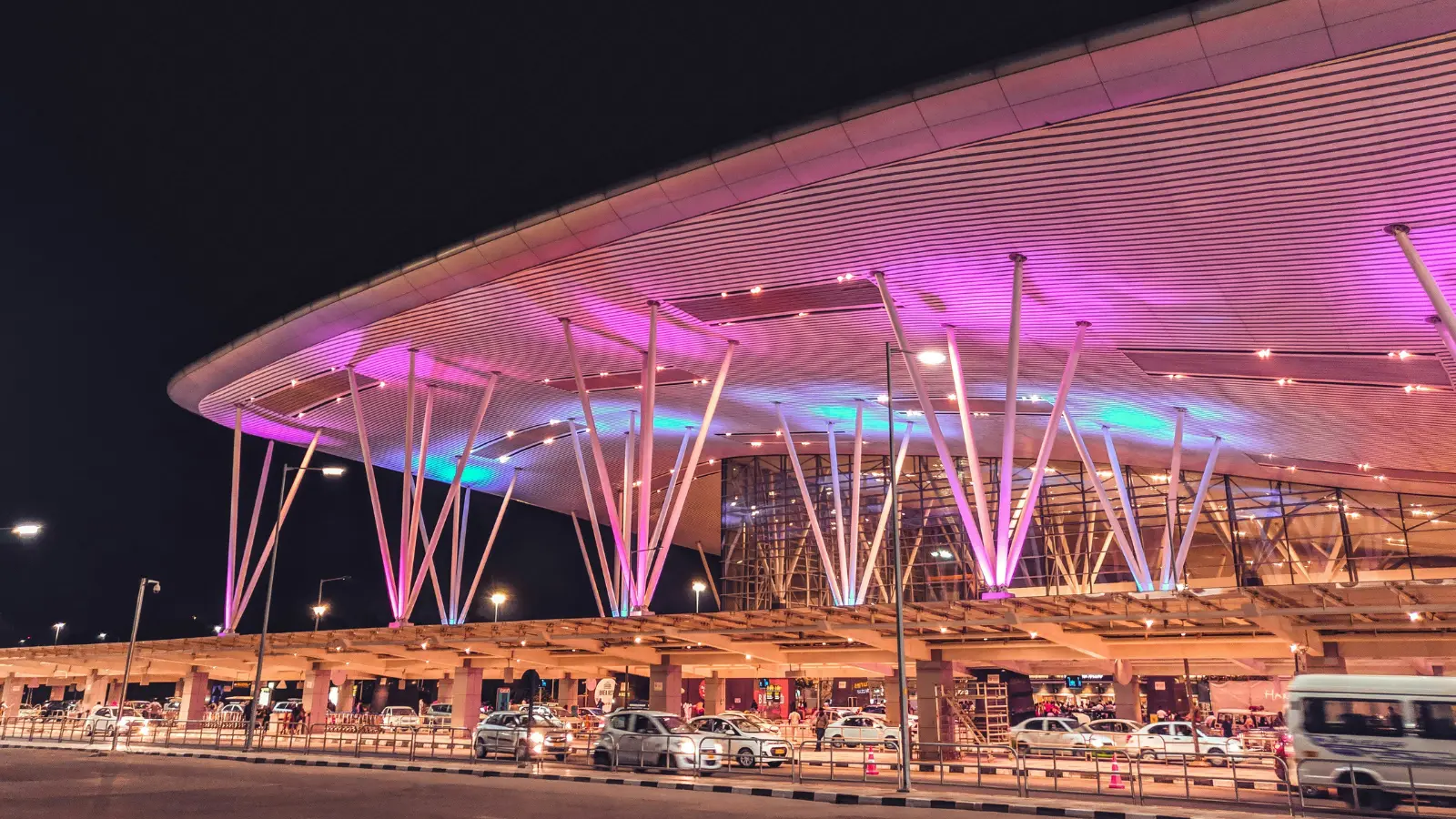
Explore how Bangalore's airport-led aerotropolis is reshaping North Bengaluru, driving jobs, infrastructure, and housing growth, while strengthening the long-term appeal of the airport corridor.
Smart-City & Infrastructure Spending in North Bangalore
Explore how North Bangalore infrastructure spending on roads, metro, and civic upgrades is improving connectivity, liveability, and the corridor's long-term appeal.