Bangalore's Aerotropolis: How the Airport Is Reshaping the North
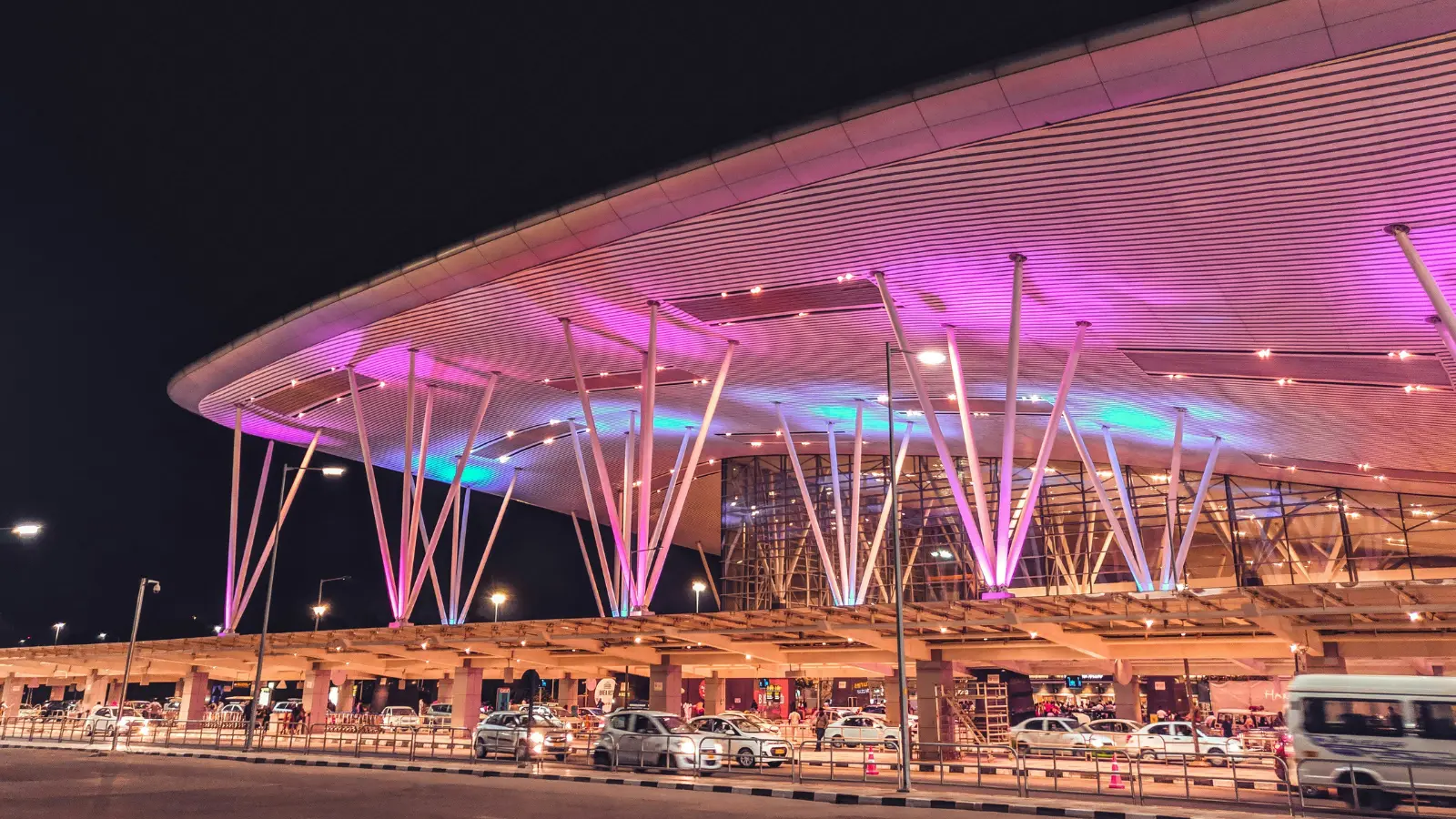
Explore how Bangalore's airport-led aerotropolis is reshaping North Bengaluru, driving jobs, infrastructure, and housing growth, while strengthening the long-term appeal of the airport corridor.
A major airport does more than move passengers - it reorganises the economy around it. Bangalore aerotropolis growth describes exactly this: the way the northern belt is developing into an airport-led economic zone. This piece explains what an aerotropolis is, how it is reshaping North Bengaluru, and why that matters for anyone weighing a home on the corridor.
What an Aerotropolis Is
The term is newer than the idea. An aerotropolis is an urban region built around a major airport, where the terminal acts as an economic anchor drawing business, industry, and housing into its orbit. Bangalore aerotropolis growth refers to the northern belt developing in this pattern, with the airport at its centre rather than at its edge. It is a shift in how the whole area is organised.
The concept originated in how modern economies increasingly organise themselves around fast global connectivity. In an era when speed to market and access to talent and travel matter enormously, the airport stops being a place you visit occasionally and becomes a piece of daily economic infrastructure. Cities that recognise this build outward from their terminals, which is precisely the pattern now visible on Bengaluru's northern edge.
Why Airports Anchor Economies
Airports concentrate activity that values connectivity. Businesses that depend on travel, logistics, and global links cluster near terminals, and where those businesses go, jobs and housing follow. This is the engine of North Bangalore airport economy dynamics - the terminal is not just infrastructure but a magnet that pulls economic activity toward the belt around it, reshaping it over time.
It is worth appreciating how self-reinforcing this process is. The first businesses arrive for the connectivity; their presence attracts suppliers, services, and workers; that concentration then justifies further infrastructure, which draws still more business. Once an aerotropolis begins to form, it tends to gather its own momentum, which is part of why the northern belt's transformation has accelerated rather than stalled.
How the North Is Changing
The transformation is visible on the ground. What was once the city's quieter edge is now attracting industry, technology, and residential development, drawn by the airport and the corridor's improving connectivity. This airport city development is turning the northern belt from a periphery into a genuine economic region in its own right, which reshapes how the whole area is perceived and valued.
For long-time observers of the city, this is a striking reversal. Areas once dismissed as too far out are now spoken of as growth frontiers, and the language around the belt has shifted from remoteness to opportunity. That change in perception is not merely sentiment; it reflects real capital and real jobs arriving, and perception and reality tend to reinforce one another in property.
The Employment Dimension
Jobs are the clearest expression of the shift. Aerospace, technology, and logistics investment cluster around the airport, giving the belt an employment base that draws people to live nearby. The aerotropolis is ultimately about this concentration of work, because jobs are what turn a location from a place people pass through into one where they settle for the long term.
What It Means for Housing
Housing follows the economy. As the airport city development matures, demand for homes near the belt grows with the jobs, which supports the case for residential communities in the corridor. For a villa buyer, an aerotropolis forming nearby is background strength - an economic engine that underpins the long-term appeal of living in the belt, quietly rather than dramatically.
Reading the Trend Honestly
A caveat keeps this grounded. An aerotropolis develops over years and decades, not overnight, and the pace depends on infrastructure, investment, and policy that can all shift. The sensible way to read North Bangalore airport economy trends is as a long-term direction supported by real drivers, not a guaranteed timeline, and to verify what is actually being built rather than merely planned.
The Buyer's Perspective
Keep it in proportion. For someone buying a plot near the hills, the aerotropolis is one supporting factor among several - alongside the setting, the plot, and the approvals - rather than the whole reason to buy. Read as background strength and verified against reality, it adds genuine confidence to a decision the fundamentals already justify on their own.
In summary, the airport is reshaping North Bengaluru into an aerotropolis - an economy anchored by the terminal, drawing jobs and housing to the belt. For a villa buyer, that is a durable long-term support, best read as one grounded input into a sound decision rather than a promise of returns.
Related Articles
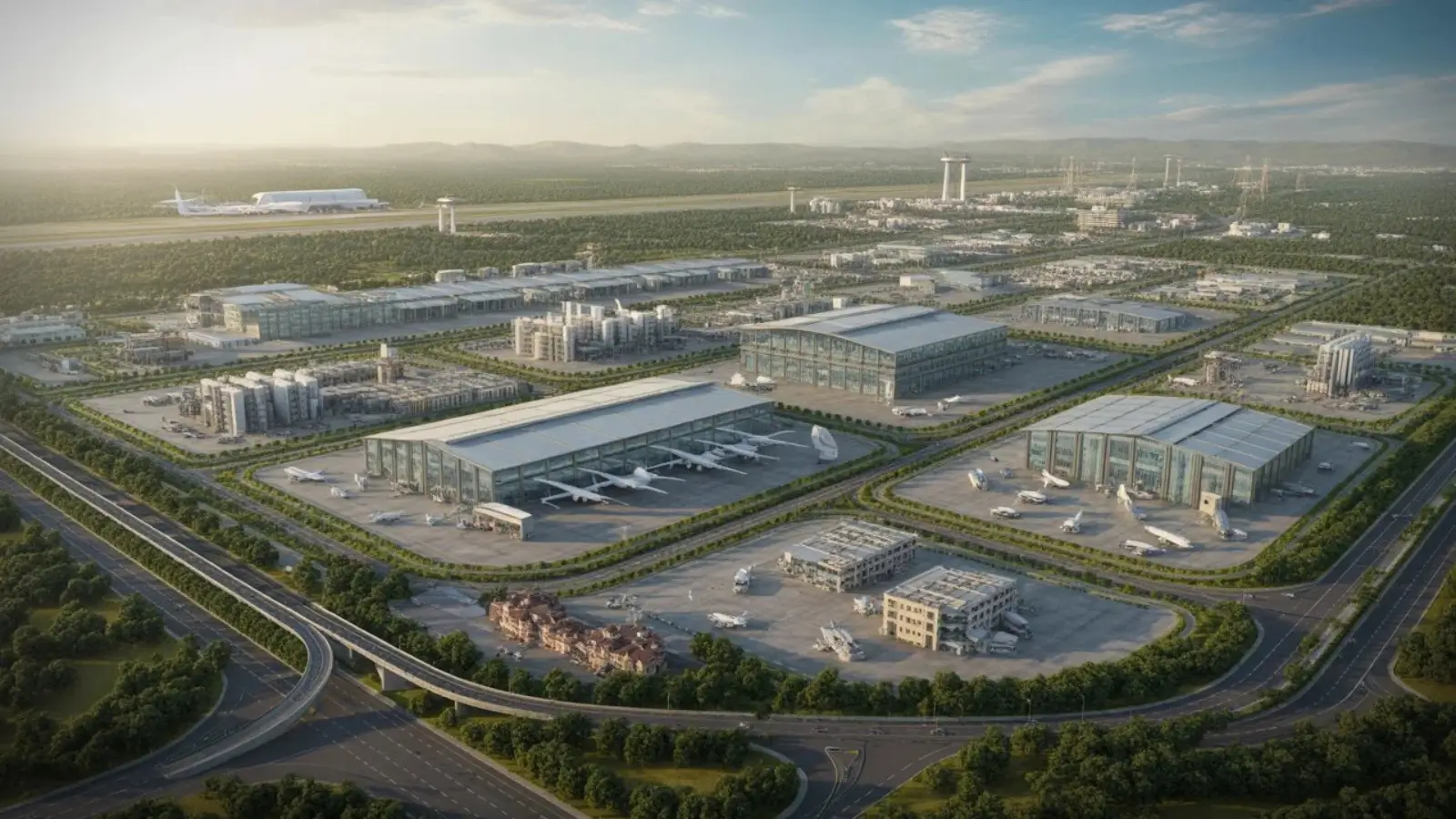
SEZs & Industrial Corridors Powering North Bangalore Real Estate
Discover how North Bangalore SEZs and industrial corridors drive jobs, attract skilled professionals, and support long-term residential demand across the airport corridor.
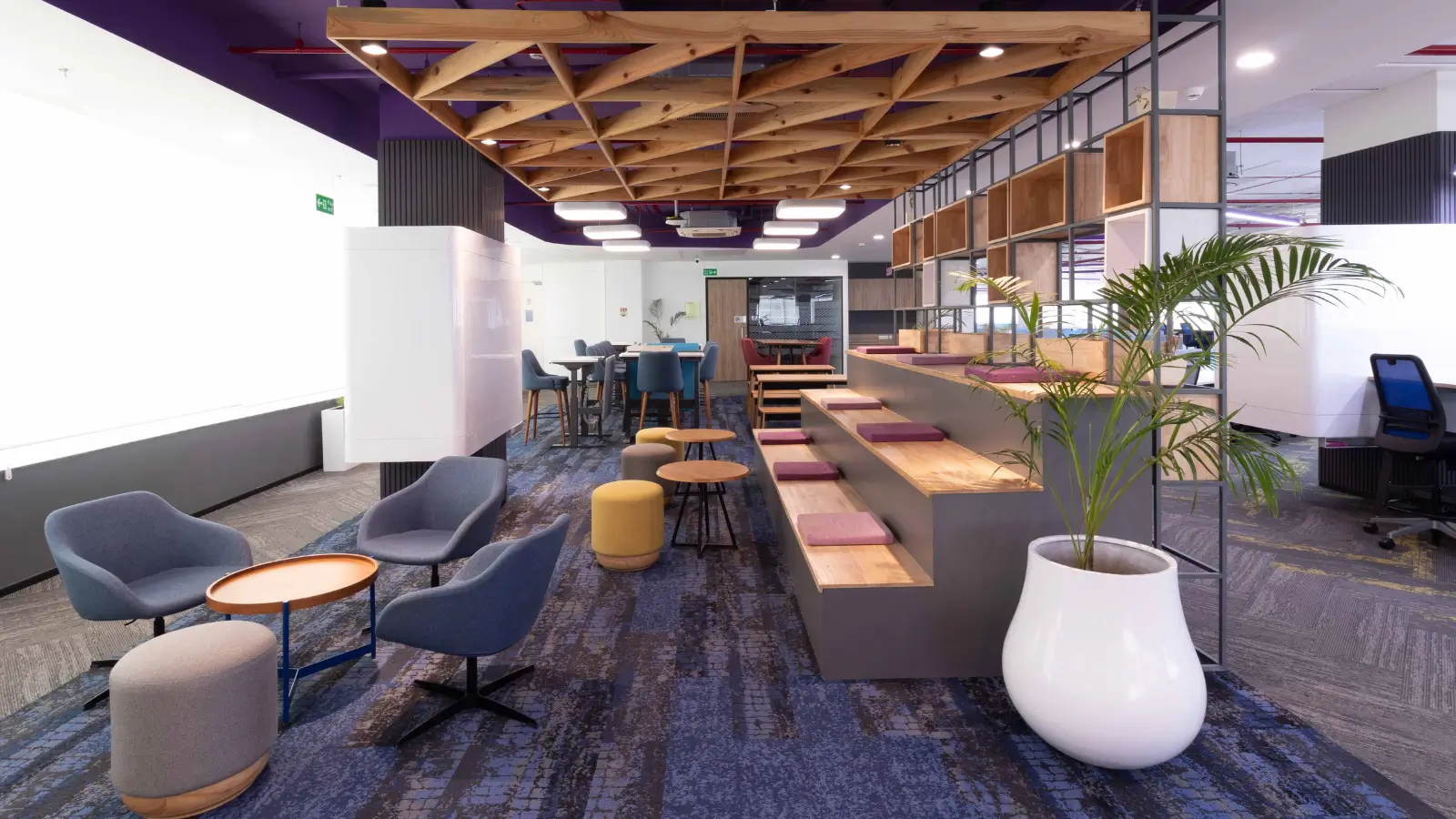
The IT & Startup Boom Pushing Bangalore Northward
Discover how Bangalore IT growth is shifting toward the North corridor, driving jobs, startups, and housing demand while strengthening the airport belt's long-term appeal.

Government Policies & Guidance Value Shaping Bangalore Property
Understand Bangalore guidance value 2026, stamp duty, registration charges, and Karnataka property policy to budget your property purchase accurately and avoid surprises.
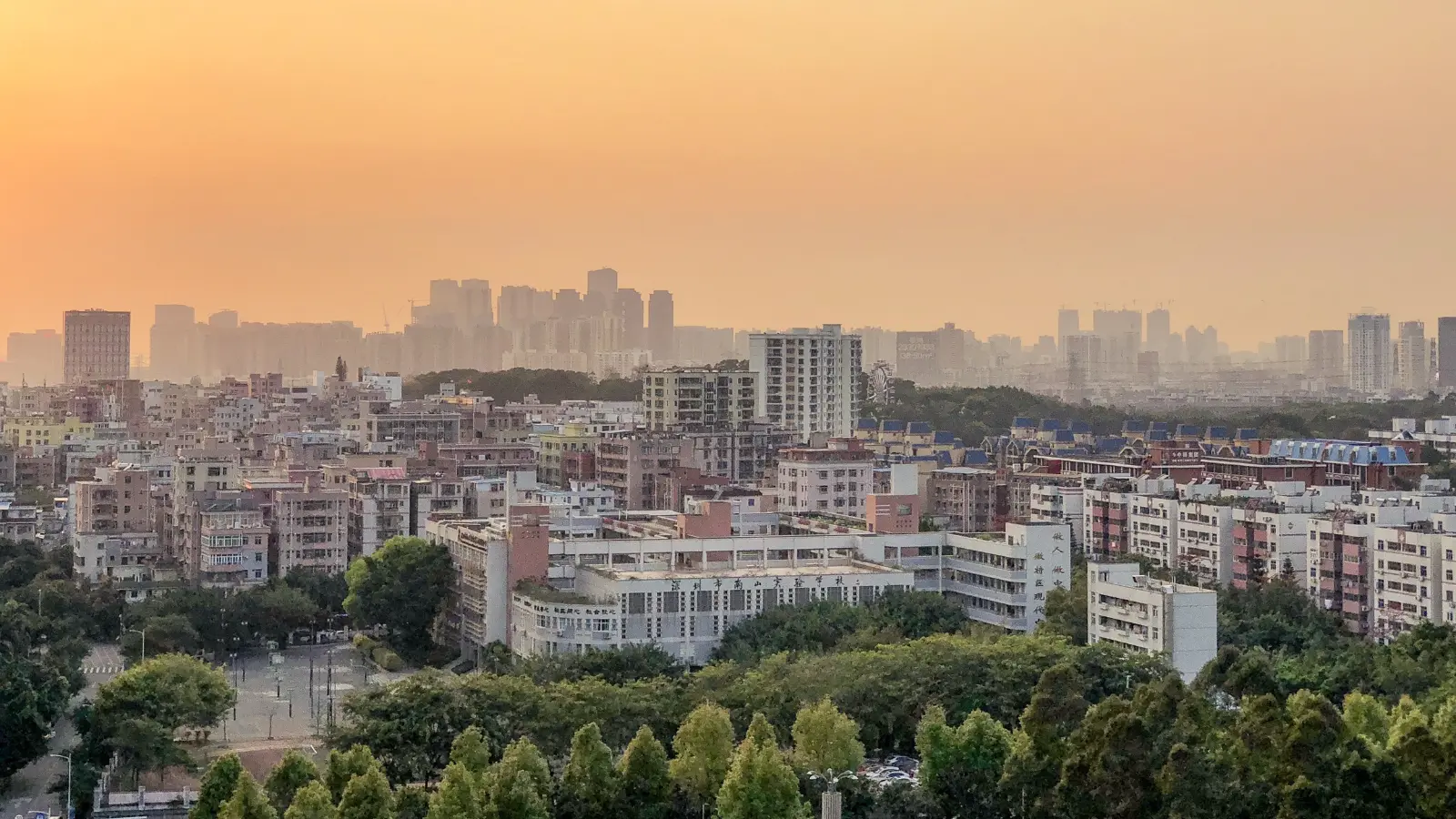
Smart-City & Infrastructure Spending in North Bangalore
Explore how North Bangalore infrastructure spending on roads, metro, and civic upgrades is improving connectivity, liveability, and the corridor's long-term appeal.