Capital Appreciation in the Airport Corridor: A 5-Year Outlook
Explore the real drivers behind airport corridor property appreciation, key risks, and why a long-term view matters more than promised price forecasts.
Everyone wants to know where prices are heading, and no one can honestly promise a figure. What we can do is set out the real drivers behind airport corridor property appreciation over a five-year horizon, and the risks that sit against them. This piece keeps to what is knowable, so you can form your own view rather than trust a fabricated forecast.
Why We Will Not Quote a Number
Start with an honest position. Anyone printing a precise appreciation percentage for the next five years is guessing, because property prices depend on interest rates, supply, the wider economy, and events no one can foresee. We would rather explain the genuine drivers than attach a number we cannot stand behind, and let you weigh them yourself.
There is a discipline in refusing to invent a number, and it protects you as a buyer. A developer or agent who confidently promises double-digit annual gains is telling you more about their sales approach than about the market. The honest position is that direction can be reasoned about while magnitude cannot be promised, and any source that blurs that line on airport corridor property appreciation deserves caution.
The Infrastructure Driver
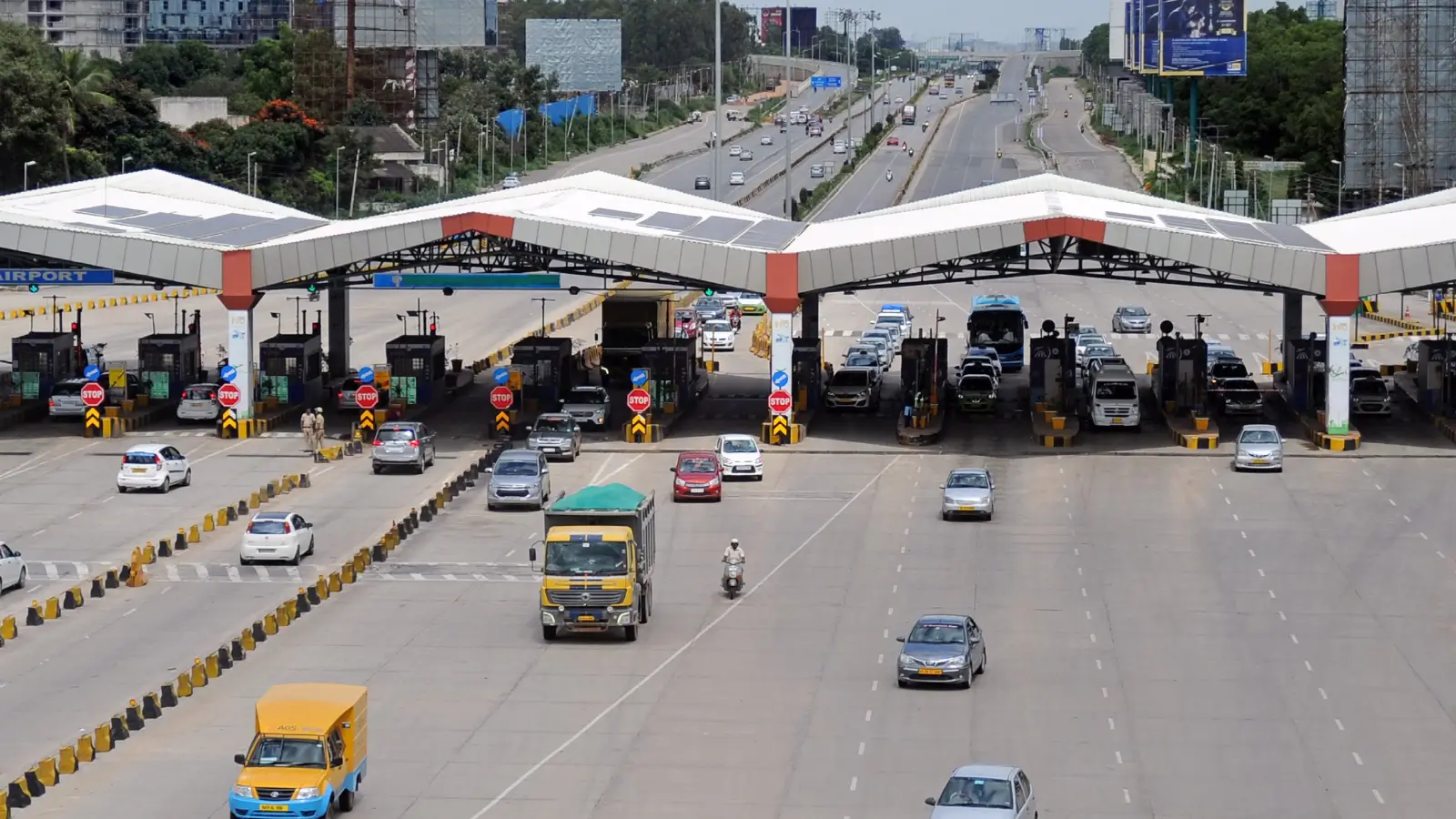
Infrastructure is the most visible support. Road upgrades, the ring-road grid, and the airport metro extension all improve access to the northern belt, and better access has historically supported North Bangalore price growth. As these projects progress, they tend to draw steady interest to the corridor, though the effect plays out over years rather than months.
The link between infrastructure and prices is real but rarely immediate. A road or metro line tends to lift an area gradually as it is built, opens, and reshapes how people use the belt, not in a single jump on announcement. Buyers who expect an overnight re-rating are usually disappointed; those who hold through the slow build tend to be the ones who benefit.
The Employment Driver
Jobs anchor demand more durably than hype. Aerospace and technology investment around the airport belt gives the corridor an employment base, and where jobs cluster, housing demand tends to follow. This underpinning matters for the Devanahalli appreciation outlook and the wider belt, because employment-led demand is steadier than speculation.
This is the quiet strength of the corridor's case. Belts that rise on speculation alone can fall just as quickly when sentiment turns, but demand rooted in people needing homes near real jobs has a floor under it. The more the northern belt's growth rests on employment rather than hype, the more durable its long-term appreciation case becomes.
The Scarcity Driver
Supply shapes value at the premium end. Genuinely low-density villa land is limited on the belt, and scarcity of that kind tends to support value over time, provided the location fundamentals hold. A community of only a handful of plots participates in this dynamic in a way that a large, easily replicated development does not.
The Risks Against It
Now the counterweight, which belongs on the page. Infrastructure can be delayed, broad economic conditions can soften demand, and any belt can see oversupply if too much is built at once. Appreciation is a reasonable expectation given the drivers, but it is not a guarantee, and a serious buyer plans for a range of outcomes.
The Horizon That Suits
Time changes the odds. Land and villa investments generally reward patience, because the drivers above unfold slowly and short-term prices can be noisy. A five-year-plus horizon gives the corridor's fundamentals room to express themselves, whereas a short hold exposes you to timing and sentiment you cannot control.
The measured conclusion is this. The airport corridor has real, identifiable drivers of appreciation and real risks against them, and the sensible buyer holds both in view. Buy for sound fundamentals over a patient horizon, verify the drivers yourself, and treat any specific number - including anyone else's - with healthy scepticism.
In the end, appreciation is best thought of as a probability shaped by fundamentals, not a promise to be banked. The northern corridor stacks several of those fundamentals in its favour, which is a genuine reason for measured optimism. But the disciplined buyer holds that optimism lightly, plans for a range of outcomes, and lets a patient horizon do the heavy lifting rather than any single year's price move.
Approached with that mindset, the five-year question answers itself in the only honest way it can: the drivers are real, the direction is favourable, and the magnitude is yours to discover rather than anyone's to promise. That is not a hedge; it is simply how property actually behaves, and buyers who accept it tend to make calmer, better decisions than those chasing a guaranteed figure.
Related Articles

Government Policies & Guidance Value Shaping Bangalore Property
Understand Bangalore guidance value 2026, stamp duty, registration charges, and Karnataka property policy to budget your property purchase accurately and avoid surprises.
Smart-City & Infrastructure Spending in North Bangalore
Explore how North Bangalore infrastructure spending on roads, metro, and civic upgrades is improving connectivity, liveability, and the corridor's long-term appeal.
Bangalore's Aerotropolis: How the Airport Is Reshaping the North
Explore how Bangalore's airport-led aerotropolis is reshaping North Bengaluru, driving jobs, infrastructure, and housing growth, while strengthening the long-term appeal of the airport corridor.
SEZs & Industrial Corridors Powering North Bangalore Real Estate
Discover how North Bangalore SEZs and industrial corridors drive jobs, attract skilled professionals, and support long-term residential demand across the airport corridor.