Upcoming Infrastructure Around Doddaballapura You Should Know
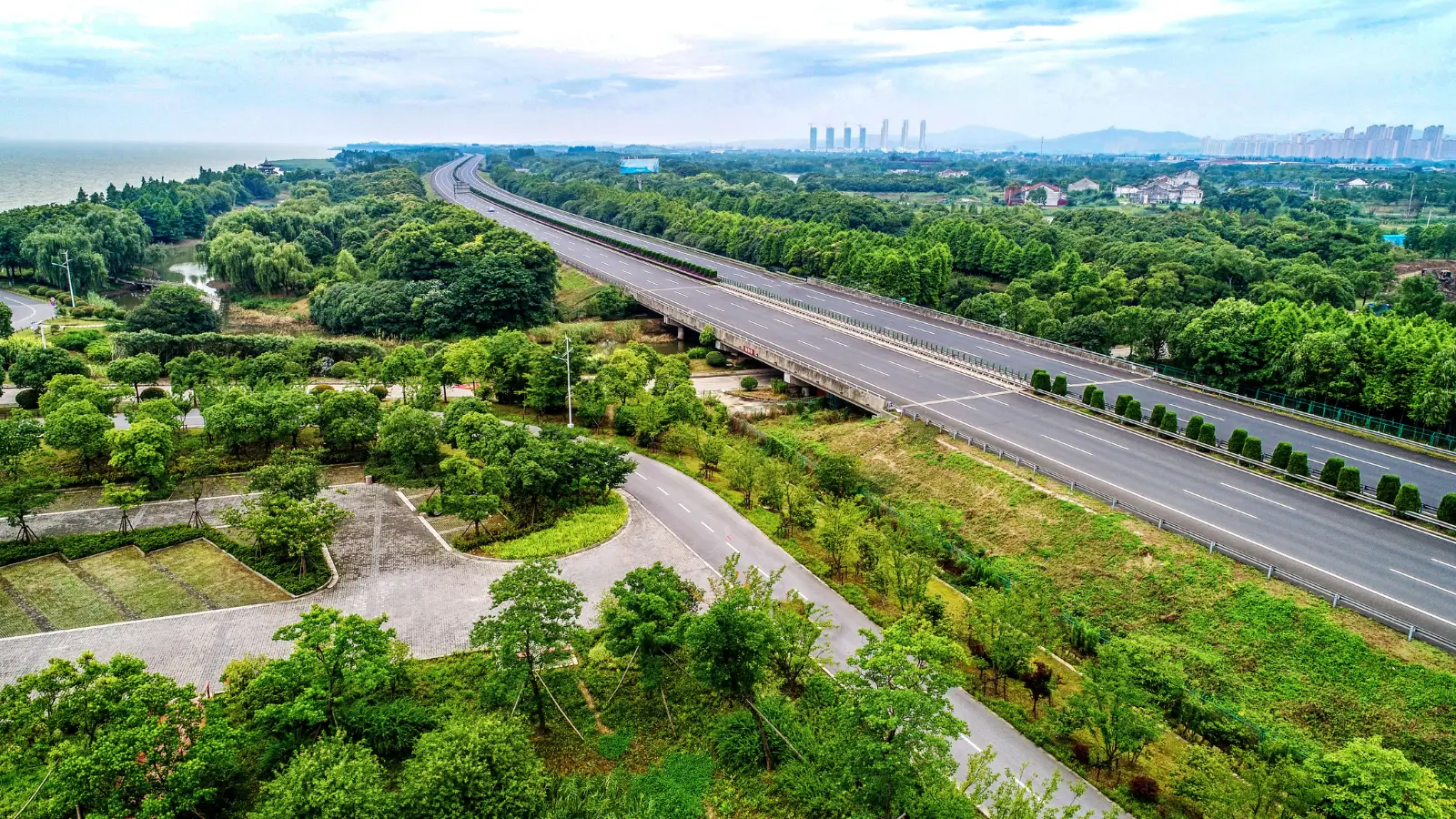
Explore upcoming infrastructure in Doddaballapura, including roads, metro, aerospace, and IT investments shaping North Bangalore's long-term growth and villa plot appeal.
The value of a location is often decided by what is being built around it, not just what is there today. For the northern belt, the upcoming infrastructure Doddaballapura buyers should track is substantial - roads, rail, and major employment investment all pointing the same way. This piece pulls the key projects together, and explains how to weigh them honestly in a purchase.
Roads and Ring Roads
Start with the ground-level connections. Road upgrades along the corridor, together with the Satellite Town Ring Road and Peripheral Ring Road, are improving how the belt connects both into the city and around it. These orbital and radial improvements are the backbone of the upcoming infrastructure Doddaballapura is counting on.
These road projects are the least glamorous but arguably the most important. Rail and employment investment capture headlines, but it is the steady improvement of everyday roads that most directly changes how a belt feels to live in. Shorter, more reliable journeys are what turn a promising location into a practical one, day after day.
The Metro Extension
Rail is following the roads north. The airport metro Blue Line, under construction, is set to add congestion-proof rail access to the corridor, linking the belt more firmly to the city and the terminal. As it progresses, it strengthens the case for the belt as a place to live rather than just pass through.
The metro's value also lies in what it signals. Large public transport investment is rarely directed at areas expected to stay quiet; it follows anticipated growth. For a buyer, the fact that a rail line is being built toward the corridor is itself evidence that the belt is expected to matter more over time, not less.
Aerospace Investment
Employment investment is a major driver. The KIADB Aerospace Park and related industrial activity have brought jobs and investment to the northern belt, anchoring demand with employment rather than speculation. Where jobs cluster, housing demand tends to follow, which is part of why the corridor is being taken seriously.
Employment is the foundation beneath everything else. Roads and rail improve access, but it is jobs that give people a reason to live in a belt at all. Aerospace and technology investment anchoring the northern corridor means demand here rests on employment rather than speculation, which tends to make a location's growth more durable and less prone to sharp reversals.
IT and the Airport Region
Technology investment adds another layer. The BIAL IT investment region around the airport has drawn technology and business activity to the belt, broadening the employment base beyond aerospace. Together, these clusters give the corridor a depth of demand that a purely residential area would lack.
Why It Matters for Buyers
Infrastructure and jobs underpin long-term value. For a villa buyer, the infrastructure on offer is less about any single project and more about the pattern - roads, rail, and employment all converging on the same belt. That convergence is what supports a plot's value over the years it takes to build and settle.
Reading the Pipeline Carefully
Caution belongs here too. Infrastructure and investment projects can move, and not everything announced arrives on schedule. A sensible buyer distinguishes what is built from what is planned, tracks progress rather than promises, and does not pay today for benefits that have yet to materialise. Treat the pipeline as evidence of direction, not a guarantee.
The Corridor's Direction
The overall trajectory is clear enough. Roads, rail, aerospace, and IT investment all point toward a belt that is being steadily built up and connected. For a buyer weighing a foothill plot near Nandi Hills, that direction is a reason for confidence - held sensibly, and confirmed against what is actually in place today.
In summary, the northern corridor is backed by a broad pipeline of infrastructure and employment investment. Read it as the belt's long-term case, verify the specifics, and let it support a decision the setting and the plot already justify.
The disciplined buyer, then, treats the pipeline as context rather than as the case itself. A beautiful plot in a well-run, registered community is the reason to buy; the infrastructure is the reason to feel confident about its future. Keep those two in the right order, verify the specifics, and the northern corridor's momentum becomes a tailwind for a decision that already stands on its own.
That is the balanced way to read a location's future: confident in the direction, honest about the uncertainties, and anchored in what exists today. The northern belt gives a villa buyer plenty to be optimistic about, provided that optimism is grounded rather than assumed.
In the round, the corridor's pipeline is best seen as the backdrop to a purchase, not its centrepiece. A registered plot in a well-run foothill community stands on its own merits; the roads, rail, and jobs simply raise the odds that its setting keeps improving. That is the honest, useful way to let infrastructure inform a villa decision.
Related Articles

Government Policies & Guidance Value Shaping Bangalore Property
Understand Bangalore guidance value 2026, stamp duty, registration charges, and Karnataka property policy to budget your property purchase accurately and avoid surprises.
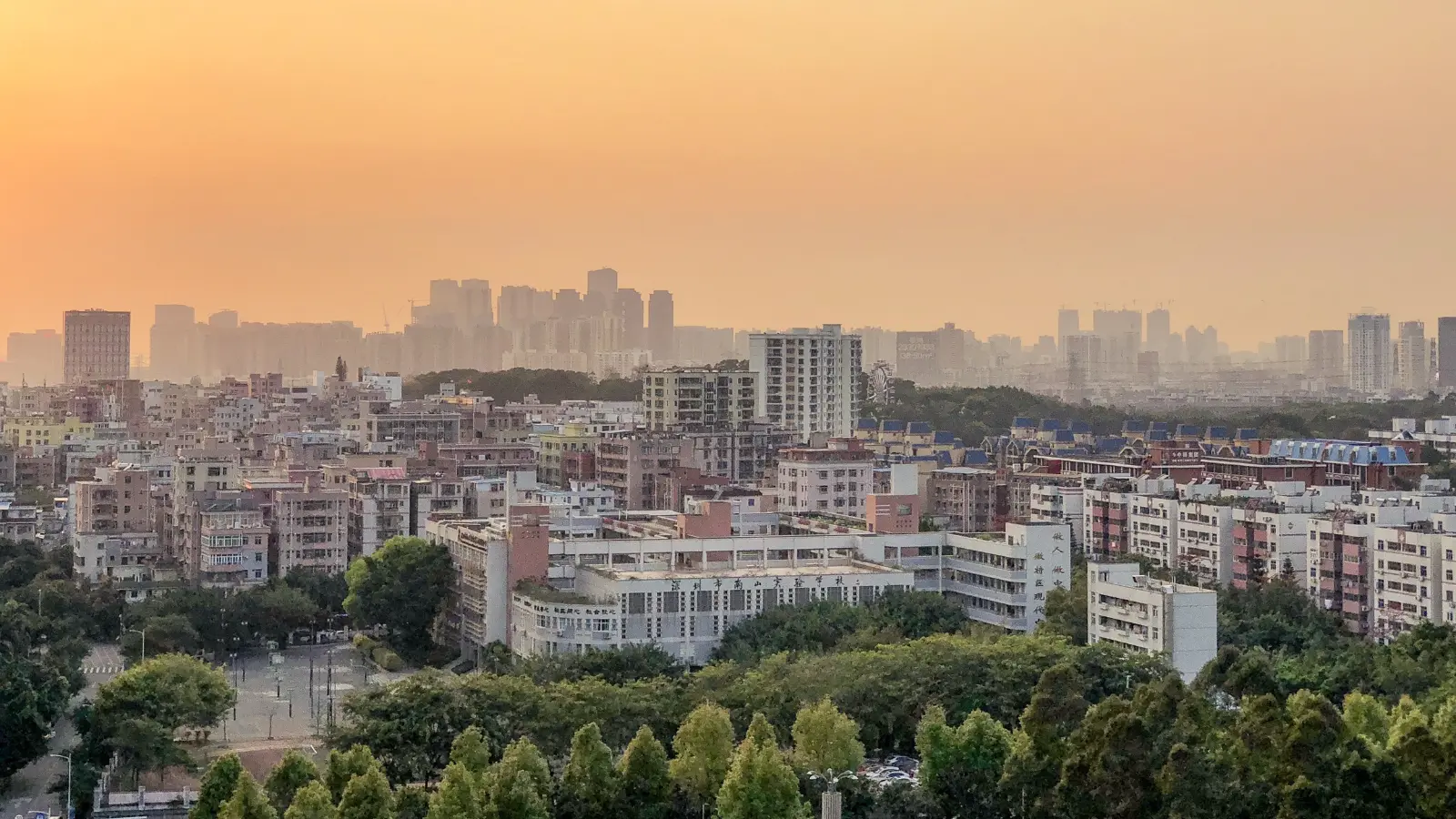
Smart-City & Infrastructure Spending in North Bangalore
Explore how North Bangalore infrastructure spending on roads, metro, and civic upgrades is improving connectivity, liveability, and the corridor's long-term appeal.
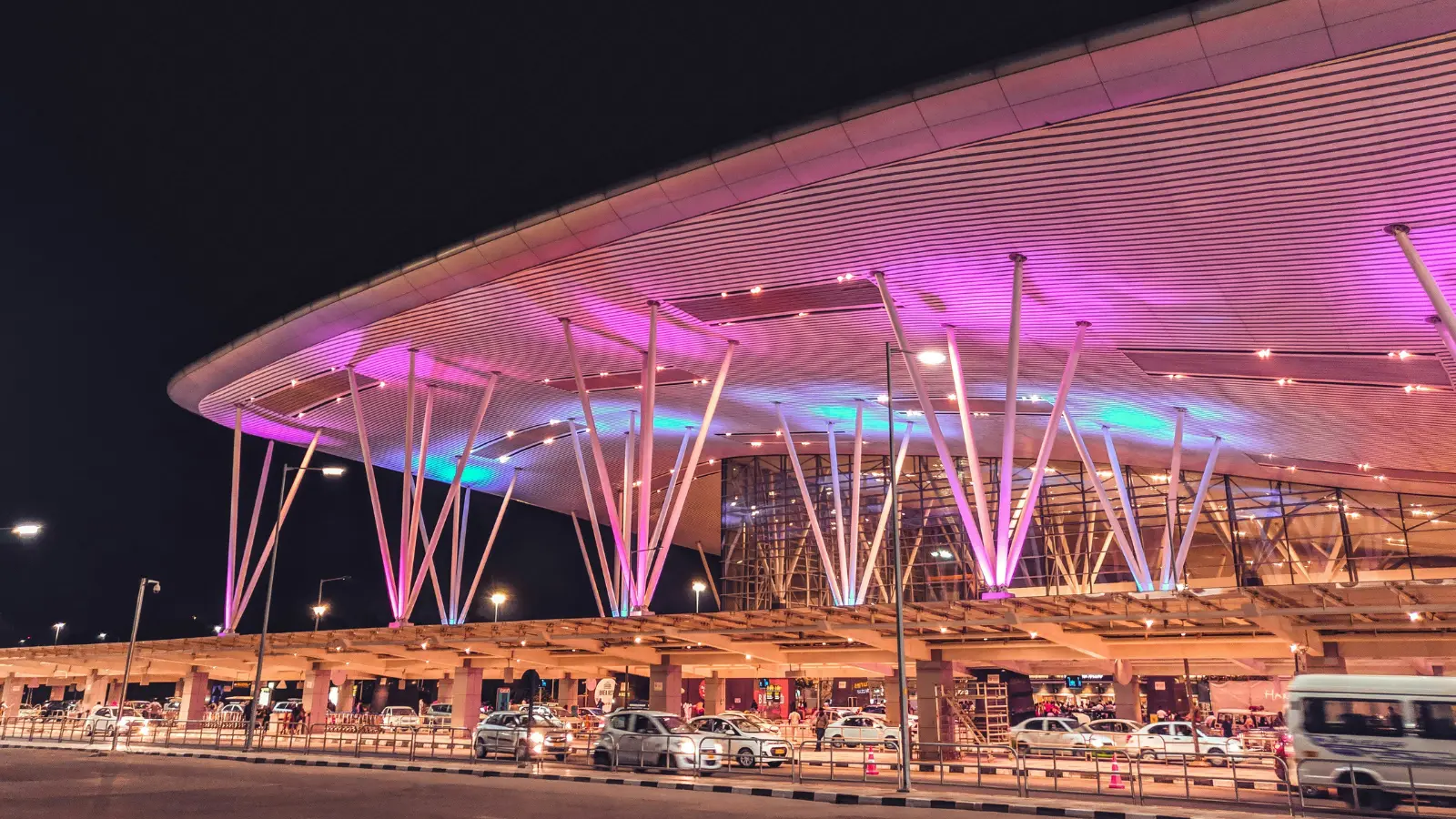
Bangalore's Aerotropolis: How the Airport Is Reshaping the North
Explore how Bangalore's airport-led aerotropolis is reshaping North Bengaluru, driving jobs, infrastructure, and housing growth, while strengthening the long-term appeal of the airport corridor.
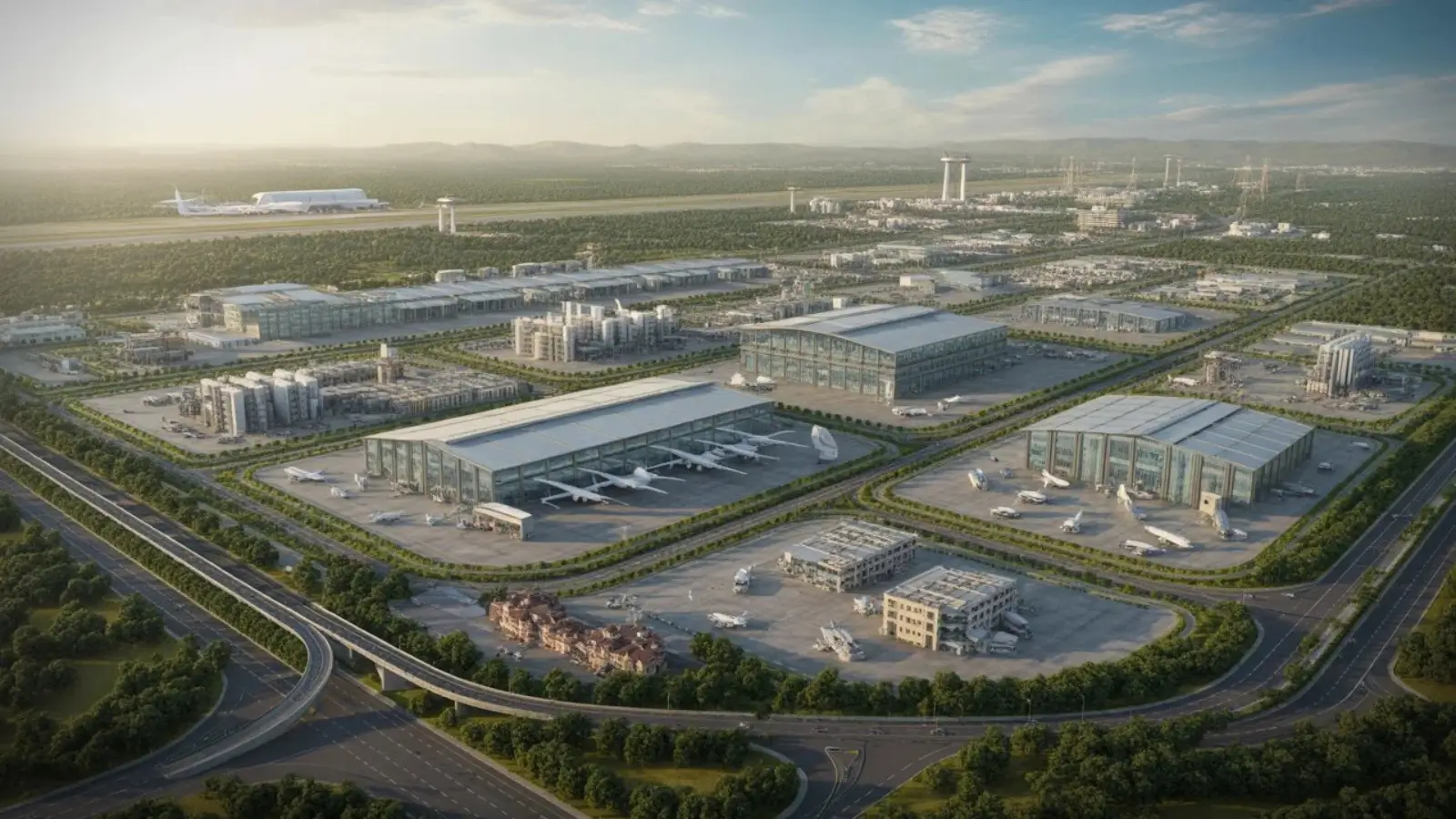
SEZs & Industrial Corridors Powering North Bangalore Real Estate
Discover how North Bangalore SEZs and industrial corridors drive jobs, attract skilled professionals, and support long-term residential demand across the airport corridor.