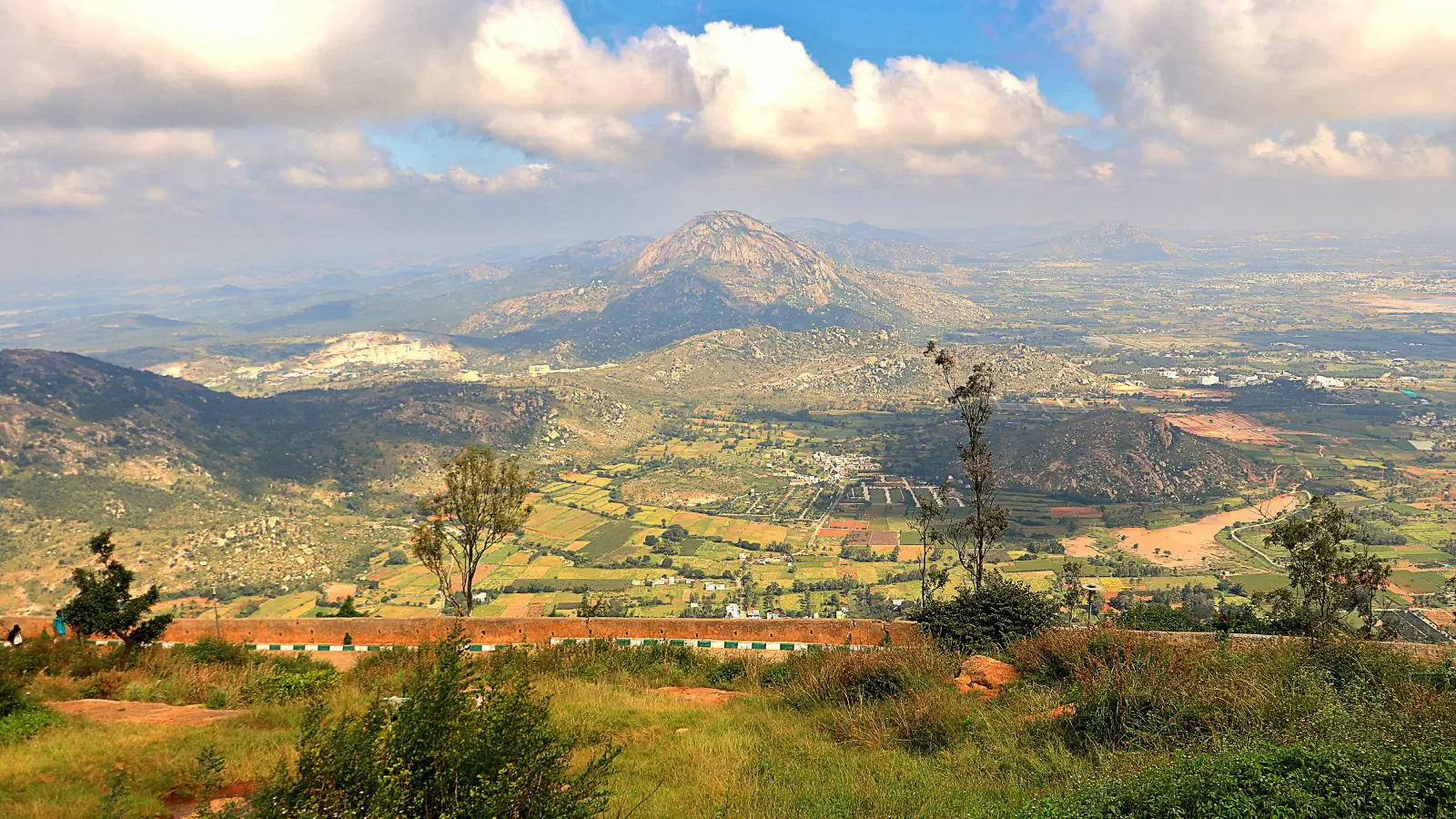
Discover how Svam Realty's land-led design philosophy combines nature, privacy, and managed living to create a peaceful, low-density villa community at Aamaya.
A developer's design philosophy is not just marketing language - it shows up in how a community actually feels to live in. The Svam Realty design philosophy centres on nature, privacy, and service, and Aamaya is built to express it. This piece explains what that philosophy means in practice and how it shapes daily life on a plot here.
A Land-Led Approach
The starting point is the land itself. The approach is land-led, meaning the natural terrain, existing trees, and long views shape the layout rather than being flattened for it. This keeps a community rooted in its setting, so homes are placed to work with the site rather than against it. The result feels grown rather than imposed.
This distinction between grown and imposed is easy to feel even if it is hard to articulate. Communities that flatten a site and stamp a grid onto it tend to feel generic, interchangeable with a hundred others. A layout that follows the land's contours, keeps its mature trees, and frames its natural views feels particular to its place. That sense of belonging to a specific setting is much of what a land-led approach delivers.
Nature at the Centre
Greenery is structural, not decorative. As a nature-integrated community, Aamaya threads gardens, water features, and open space through the layout - a green spine linking the zones, with a canopy-frame garden, koi pond, and step gardens. Nature is woven into the plan, not added at the edges, which is central to how the philosophy works in practice.
Integrating nature into the plan, rather than adding it afterward, changes how greenery functions in the community. Trees and water that are part of the original layout mature with the community and feel native to it, where landscaping bolted on at the end can feel decorative and thin. The difference shows up over years, as an integrated landscape settles into something that feels genuinely rooted.
Privacy by Design
Space is planned to protect solitude. With only fifteen plots on a generous parcel, homes sit apart with room and sightlines that keep each one private. Privacy here is a design outcome - the low density, the plot positioning, and the landscape all work to give each home its own quiet. It is built into the plan rather than promised in a brochure.
Service as a Principle
The third pillar is how the community is run. Service means the shared spaces and infrastructure are maintained for residents, so the quality of daily life is sustained rather than left to chance. This managed layer is part of the design philosophy, because a community's feel depends as much on how it is looked after as on how it was drawn.
How the Pillars Work Together
The three ideas reinforce one another. A land-led plan creates the setting, nature integration fills it with greenery, and privacy by design protects each home within it - all sustained by service. Together, they produce a community that feels calm, private, and cared for, which is the whole point of the approach.
It is the interaction of the three pillars, more than any one alone, that defines the experience. Privacy without greenery can feel bare; greenery without service becomes unkempt; service without a land-led plan has less worth maintaining. Because the pillars reinforce one another, the community delivers something none of them could separately, which is why the philosophy is best judged as a whole rather than in parts.
What It Means Day to Day
Philosophy becomes experience. For a resident, the philosophy shows up as cooler, greener surroundings, a home that feels private, and shared spaces that stay well kept. These are not abstract ideals but the texture of ordinary days, which is where a design philosophy either proves itself or falls flat.
Judging the Philosophy
Test it on the ground. The honest way to assess a design philosophy is to visit and feel whether it holds - whether the greenery, the privacy, and the upkeep are real. A land-led villa design is best judged in person, so a visit is the surest way to know whether the philosophy translates into a place you would want to live.
In summary, this philosophy of nature, privacy, and service shapes Aamaya from the ground up - a land-led plan, integrated greenery, designed privacy, and managed upkeep. Visit to feel whether it holds, and you will know the philosophy by experience rather than description.
That, ultimately, is the honest test of any design philosophy: not whether it reads well, but whether it is felt underfoot. Spend an unhurried hour on the site, notice the trees, the quiet, and the care in the shared spaces, and you will know within minutes whether the words match the place. When they do, a design philosophy stops being marketing and becomes the simple reason a community feels good to be in.
Related Articles

Government Policies & Guidance Value Shaping Bangalore Property
Understand Bangalore guidance value 2026, stamp duty, registration charges, and Karnataka property policy to budget your property purchase accurately and avoid surprises.
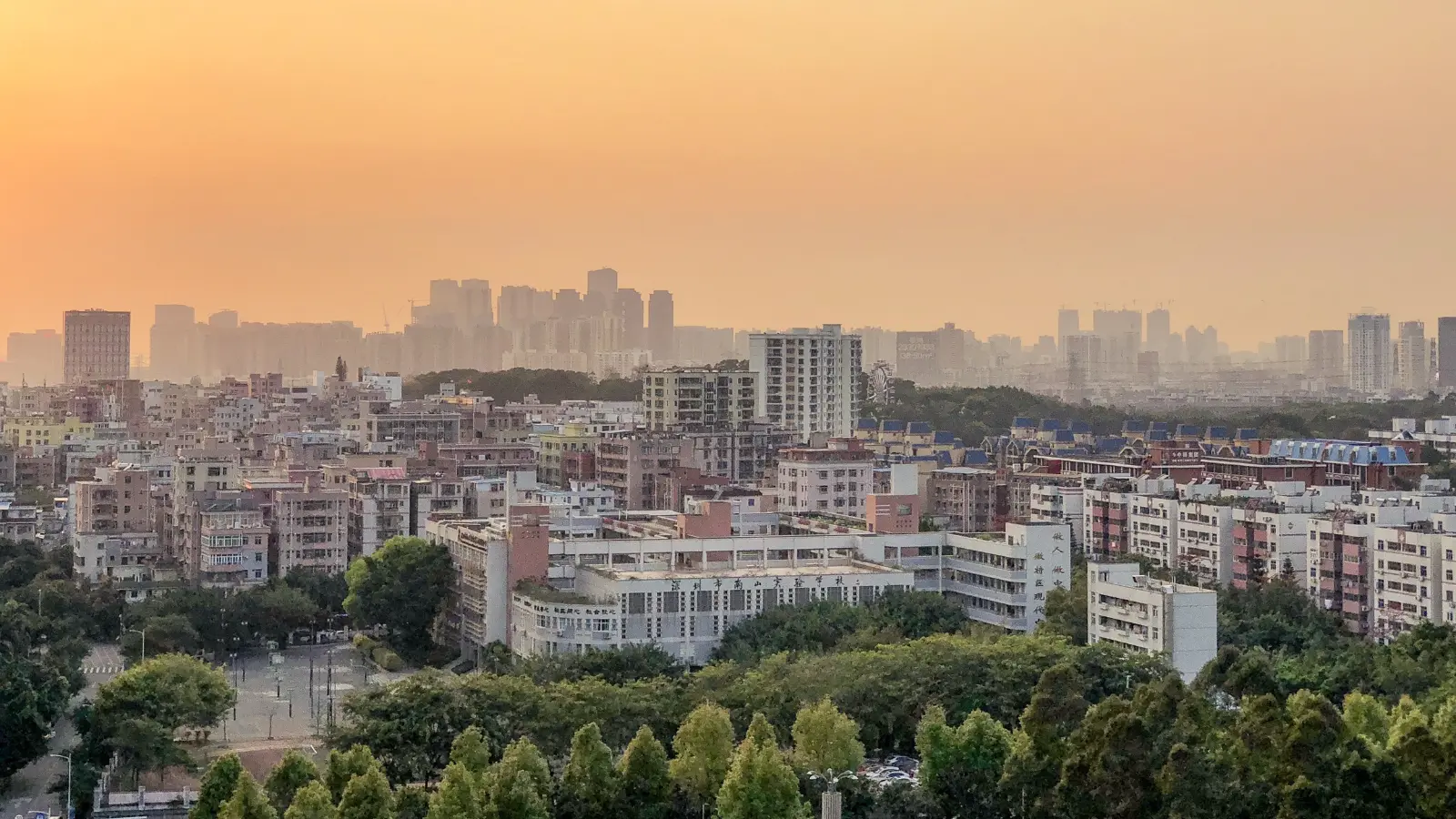
Smart-City & Infrastructure Spending in North Bangalore
Explore how North Bangalore infrastructure spending on roads, metro, and civic upgrades is improving connectivity, liveability, and the corridor's long-term appeal.
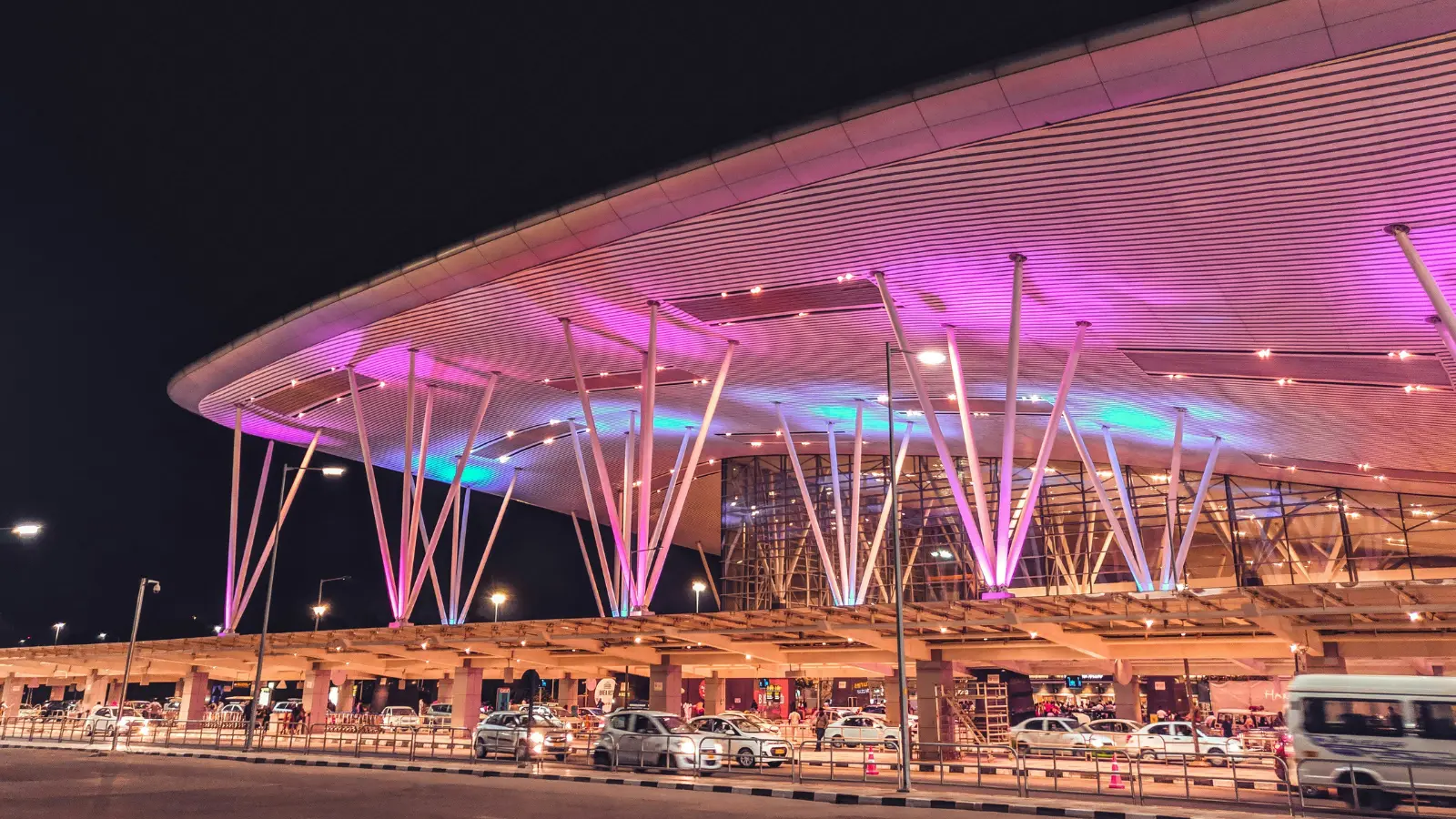
Bangalore's Aerotropolis: How the Airport Is Reshaping the North
Explore how Bangalore's airport-led aerotropolis is reshaping North Bengaluru, driving jobs, infrastructure, and housing growth, while strengthening the long-term appeal of the airport corridor.

SEZs & Industrial Corridors Powering North Bangalore Real Estate
Discover how North Bangalore SEZs and industrial corridors drive jobs, attract skilled professionals, and support long-term residential demand across the airport corridor.