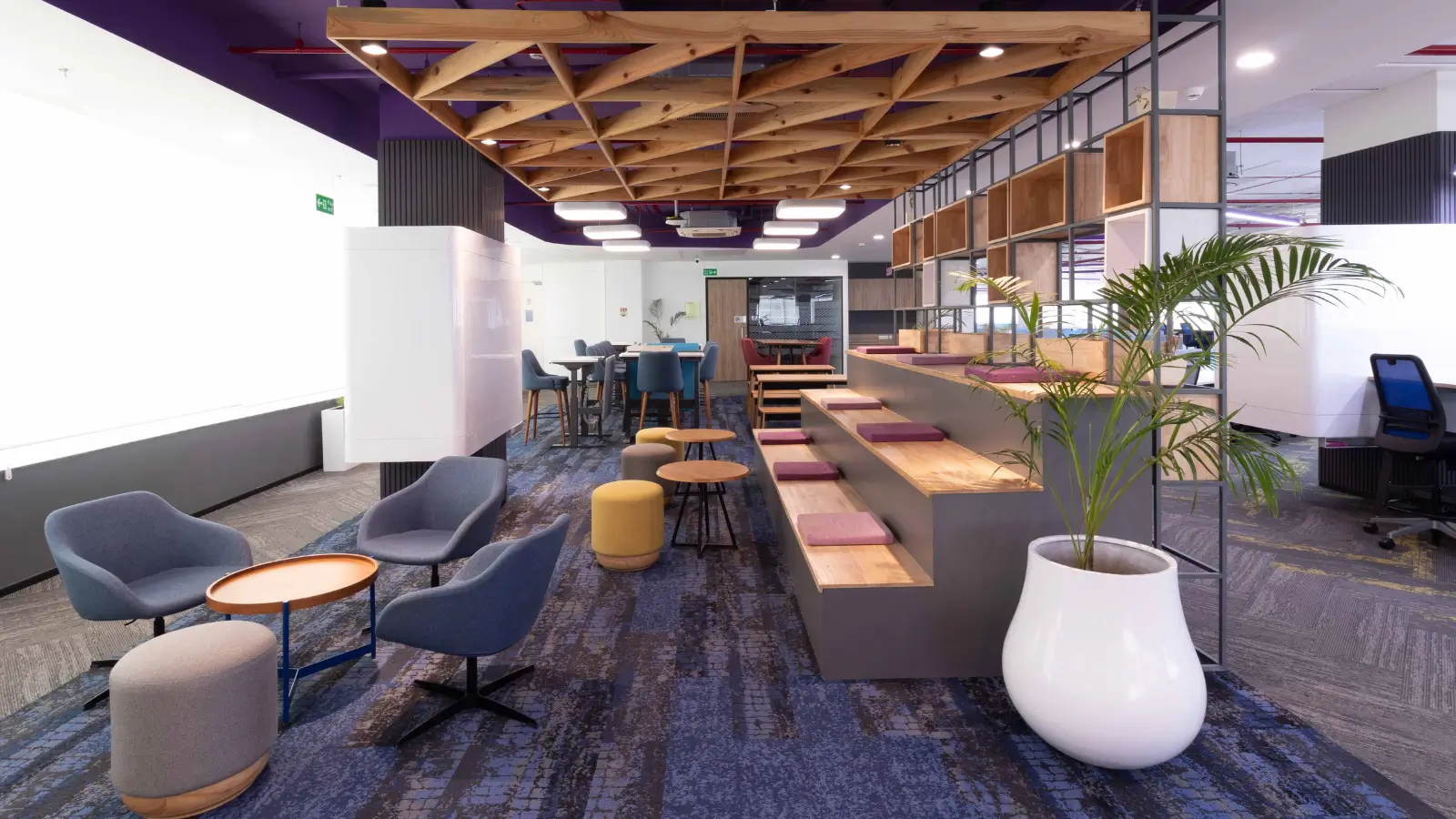
Discover how Bangalore IT growth is shifting toward the North corridor, driving jobs, startups, and housing demand while strengthening the airport belt's long-term appeal.
Bangalore's technology industry built the south and east of the city first. Now the momentum is moving north. Bangalore IT growth North corridor patterns show technology and startups increasingly drawn to the airport belt, which is reshaping where people want to live. This piece explains the shift northward and what it means for the corridor's long-term prospects.
The Traditional Tech Geography
For years, the map was settled. Bengaluru's technology industry concentrated in the south and east - the established corridors that made the city India's tech capital. The north was the quieter edge, better known for the airport than for offices. That geography is now changing, and Bangalore IT growth North corridor trends are a large part of why the belt is being reconsidered.
The scale of Bengaluru's growth made this shift almost inevitable. A city cannot concentrate an entire industry in one or two corridors indefinitely; congestion, cost, and saturation eventually push activity outward to areas with room to grow. The north, with its land and its airport, was the natural direction for that overflow, and what began as spillover is increasingly becoming a destination in its own right.
Why Tech Is Moving North
Several forces pull technology toward the belt. The airport's connectivity, available land, improving infrastructure, and the emergence of business and industrial zones near the terminal all make the north attractive to companies. As tech jobs North Bangalore grow, the belt becomes not just a place to fly from but a place to work, which is a significant change in its character and appeal.
This distinction - between somewhere you leave from and somewhere you work - is more consequential than it sounds. A belt defined only by its airport is a place people pass through; a belt with genuine employment becomes a place people organise their lives around. As offices and business zones establish on the corridor, that deeper kind of attachment forms, and it is what gives residential demand its staying power.
The Startup Dimension
Startups follow talent and infrastructure. As the belt develops, a startup ecosystem airport belt dynamics can support begins to take shape, drawn by newer infrastructure and proximity to both the airport and emerging business zones. Startups are often early movers into developing areas, and their presence is an early signal of a corridor's growing economic pull and future direction.
Watching where startups and smaller firms choose to locate is often more revealing than tracking large corporations, because smaller, nimbler businesses move first and follow opportunity rather than legacy. Their gradual appearance on the northern belt is an early indicator worth noting, since the areas that attract them today are frequently the established business districts of a decade hence.
What Jobs Do to a Corridor
Employment reshapes everything around it. Where technology jobs cluster, demand for housing, services, and amenities follows, and the whole character of an area shifts toward a place people live rather than pass through. The northward shift is ultimately about this - jobs turning a peripheral belt into a genuine residential and economic destination over time.
The Housing Consequence
Homes follow the jobs, reliably. As tech jobs North Bangalore expand, professionals seek homes within reach, which supports residential demand across the belt. For a villa buyer, this employment-led demand is a durable underpinning - it rests on people needing to live near real work, which is steadier than demand built on speculation alone, and therefore more dependable.
Reading the Boom Carefully
Balance keeps this honest. Technology cycles rise and fall, and no boom continues indefinitely, so a sensible buyer treats the northward shift as a strong current rather than a certainty. Verify which companies and zones are genuinely establishing versus merely announced, and weigh the trend as one supporting factor rather than the whole case for a purchase.
What It Means for the Belt
The direction is what matters most. Even allowing for cycles, the structural pull of the airport, land, and infrastructure is drawing technology north over time. For a buyer weighing a plot on the corridor, that long-term shift is a genuine reason for confidence in the belt's trajectory, held sensibly alongside the setting and the plot itself rather than in isolation.
In summary, technology and startups are increasingly drawn to North Bengaluru's airport belt, turning it into a place to work as well as live. That employment shift is a durable support for the corridor, best read as a strong direction verified against what is actually taking shape on the ground.
For a buyer, that grounded confidence is exactly the right posture: optimistic about where the corridor is heading, but anchored in what can actually be seen and checked today rather than in projections alone.
Related Articles

Government Policies & Guidance Value Shaping Bangalore Property
Understand Bangalore guidance value 2026, stamp duty, registration charges, and Karnataka property policy to budget your property purchase accurately and avoid surprises.
Smart-City & Infrastructure Spending in North Bangalore
Explore how North Bangalore infrastructure spending on roads, metro, and civic upgrades is improving connectivity, liveability, and the corridor's long-term appeal.
Bangalore's Aerotropolis: How the Airport Is Reshaping the North
Explore how Bangalore's airport-led aerotropolis is reshaping North Bengaluru, driving jobs, infrastructure, and housing growth, while strengthening the long-term appeal of the airport corridor.
SEZs & Industrial Corridors Powering North Bangalore Real Estate
Discover how North Bangalore SEZs and industrial corridors drive jobs, attract skilled professionals, and support long-term residential demand across the airport corridor.