How the Airport Metro Blue Line Will Change North Bangalore Commutes
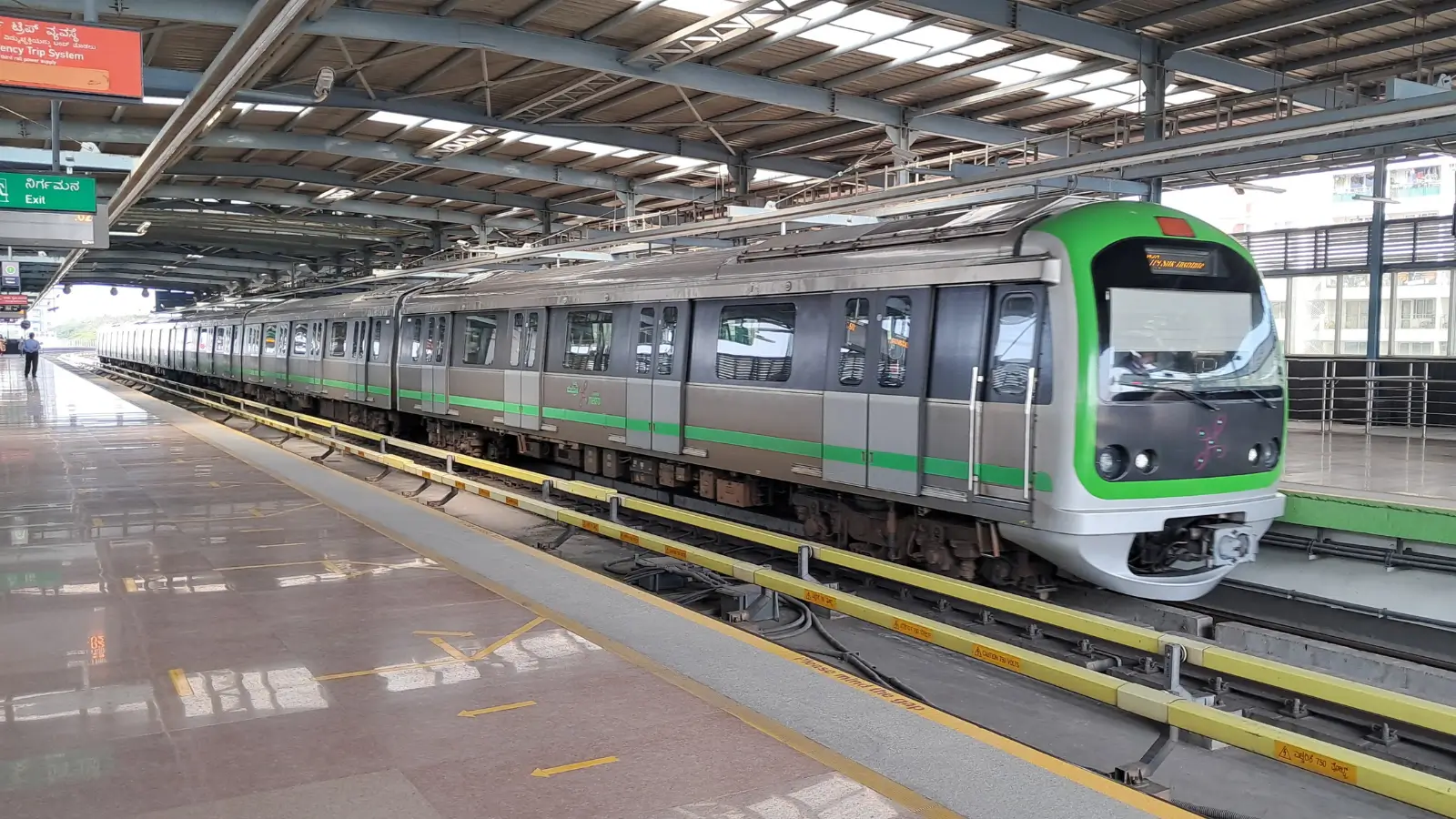
Learn how the Airport Metro Blue Line will improve North Bangalore connectivity, support long-term demand, and influence villa buyers, while understanding realistic expectations and project timelines.
Rail changes a corridor in ways roads alone cannot. The airport metro blue line North Bangalore is under construction, and when it opens it will reshape how people move along the northern belt. This piece looks at what the line is, what it will change, and what it means for buyers weighing a villa near Nandi Hills. It is context worth understanding before you buy.
What the Blue Line Is
The line is part of Namma Metro's expansion toward the airport. Namma Metro airport connectivity has been a long-planned goal for Bengaluru, and the Blue Line is the route intended to link the city to the terminal by rail. As with any metro, its value grows as it connects more of the corridor it runs through.
For a city the size of Bengaluru, an airport rail link has been a long-awaited piece of the puzzle. Roads to the terminal carry heavy loads, and a rail alternative spreads that demand, benefiting everyone on the corridor rather than only metro users. That system-wide easing is part of why the line matters beyond its immediate stations.
Why Rail Access Matters
Roads and rail solve different problems. A metro offers a predictable, congestion-proof option that a car on a busy corridor cannot always match. For the northern belt, the airport metro blue line North Bangalore adds a layer of access that makes the whole area more liveable, not just faster to reach.
There is a behavioural effect too. When a reliable rail option exists, people plan their lives around it - commuting, airport runs, and city trips all become easier to schedule. Over time, that reliability tends to draw steady residential interest to the corridor a line serves, which is one reason metro routes are watched so closely by buyers.
The Effect on the Corridor
Metros tend to lift the areas they serve. Better connectivity usually supports demand and long-term value along a corridor, because more people can reach it easily. The metro impact Devanahalli and the wider airport belt have anticipated is exactly this - improved access drawing steady interest to places that were once seen as far out.
The pattern is familiar from other corridors. Areas that felt distant before a metro arrived often re-rate once the connection is real, not because the land changed but because reaching it became easier. For the northern belt, the Blue Line is the kind of project that can shift perception from periphery to connected suburb over time.
For a buyer, the useful stance is patience with optimism. The line is coming, its direction is clear, and its arrival will only help the corridor - but the decision to buy should rest on today's fundamentals, with the metro as a welcome addition rather than the reason to commit. Held that way, the Blue Line is a genuine positive without becoming a gamble.
What It Means for Villa Buyers
For a plot buyer, the line is a long-term positive. A villa near Nandi Hills already offers space and calm; a metre of rail access to the airport corridor adds convenience on top of that. It does not change the character of a low-density foothill setting, but it does strengthen the case for holding land in the belt over time.
Keeping Expectations Realistic
Here is the honest caveat. The Blue Line is under construction, and infrastructure timelines can move. A sensible buyer treats it as a strengthening factor rather than a settled one, and does not pay today for a benefit that has not yet arrived. Its progress is worth tracking, but not worth over-counting in a purchase decision.
How to Factor It In
Weigh it as one input among several. The setting, the plot, the approvals, and the corridor's road links all matter now; the metro is a future addition that improves the picture rather than the whole case. Read the metro line as evidence the belt is being invested in, and let it support a decision the fundamentals already justify.
In short, the Blue Line points the same way as the rest of the corridor's investment - toward better access and steadier value. For a villa buyer near Nandi Hills, it is a reason for confidence in the belt's direction, held sensibly alongside the things that are already in place.
The measured way to treat the Blue Line, then, is as a bonus rather than a basis. Buy for the setting, the plot, and the corridor's existing road links, and let the metro improve an already sound decision as it arrives. Approached that way, you capture the upside of the rail investment without exposing yourself to the risk of a timeline that has yet to be fully delivered.
Related Articles

Government Policies & Guidance Value Shaping Bangalore Property
Understand Bangalore guidance value 2026, stamp duty, registration charges, and Karnataka property policy to budget your property purchase accurately and avoid surprises.

Smart-City & Infrastructure Spending in North Bangalore
Explore how North Bangalore infrastructure spending on roads, metro, and civic upgrades is improving connectivity, liveability, and the corridor's long-term appeal.
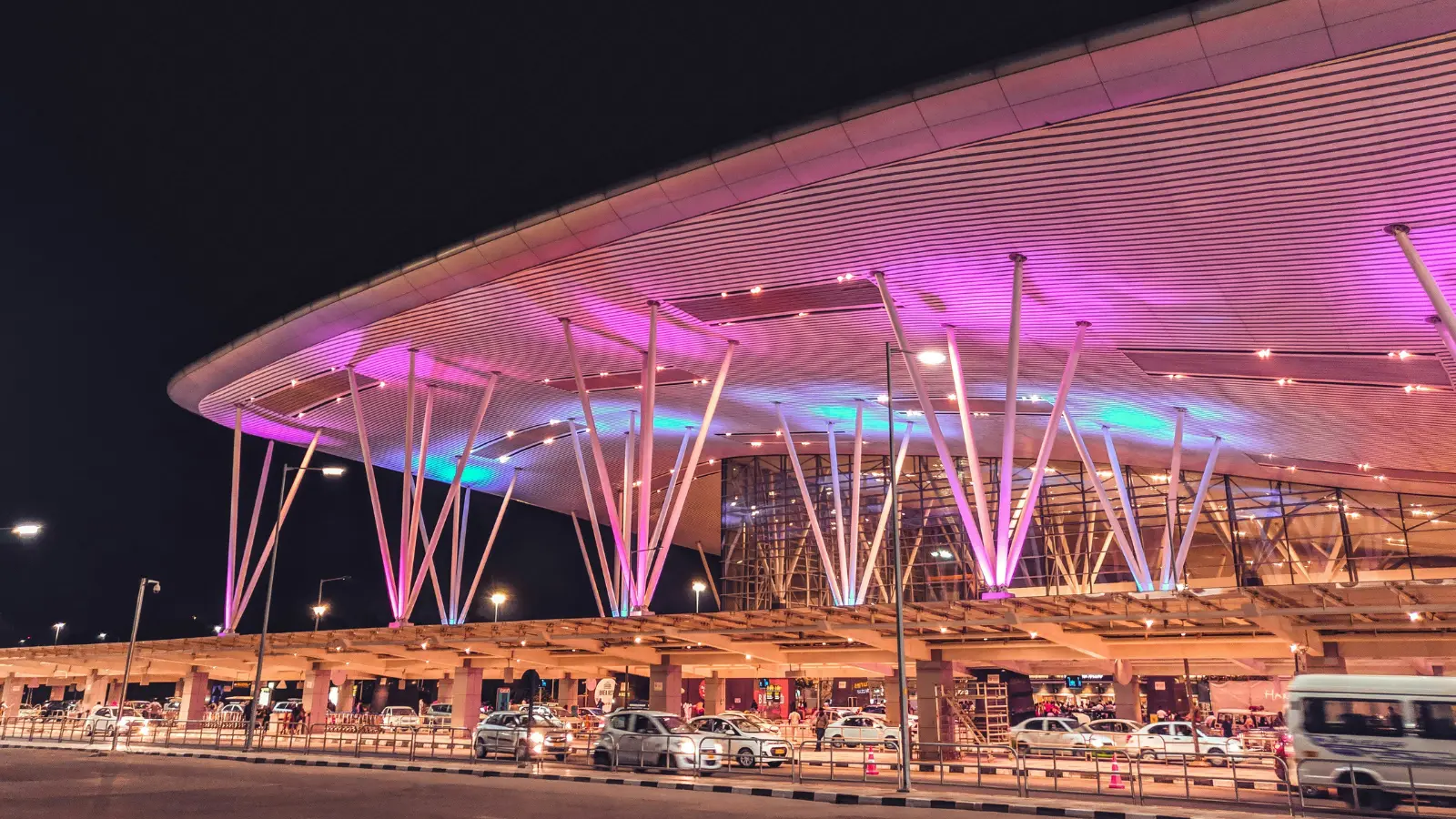
Bangalore's Aerotropolis: How the Airport Is Reshaping the North
Explore how Bangalore's airport-led aerotropolis is reshaping North Bengaluru, driving jobs, infrastructure, and housing growth, while strengthening the long-term appeal of the airport corridor.
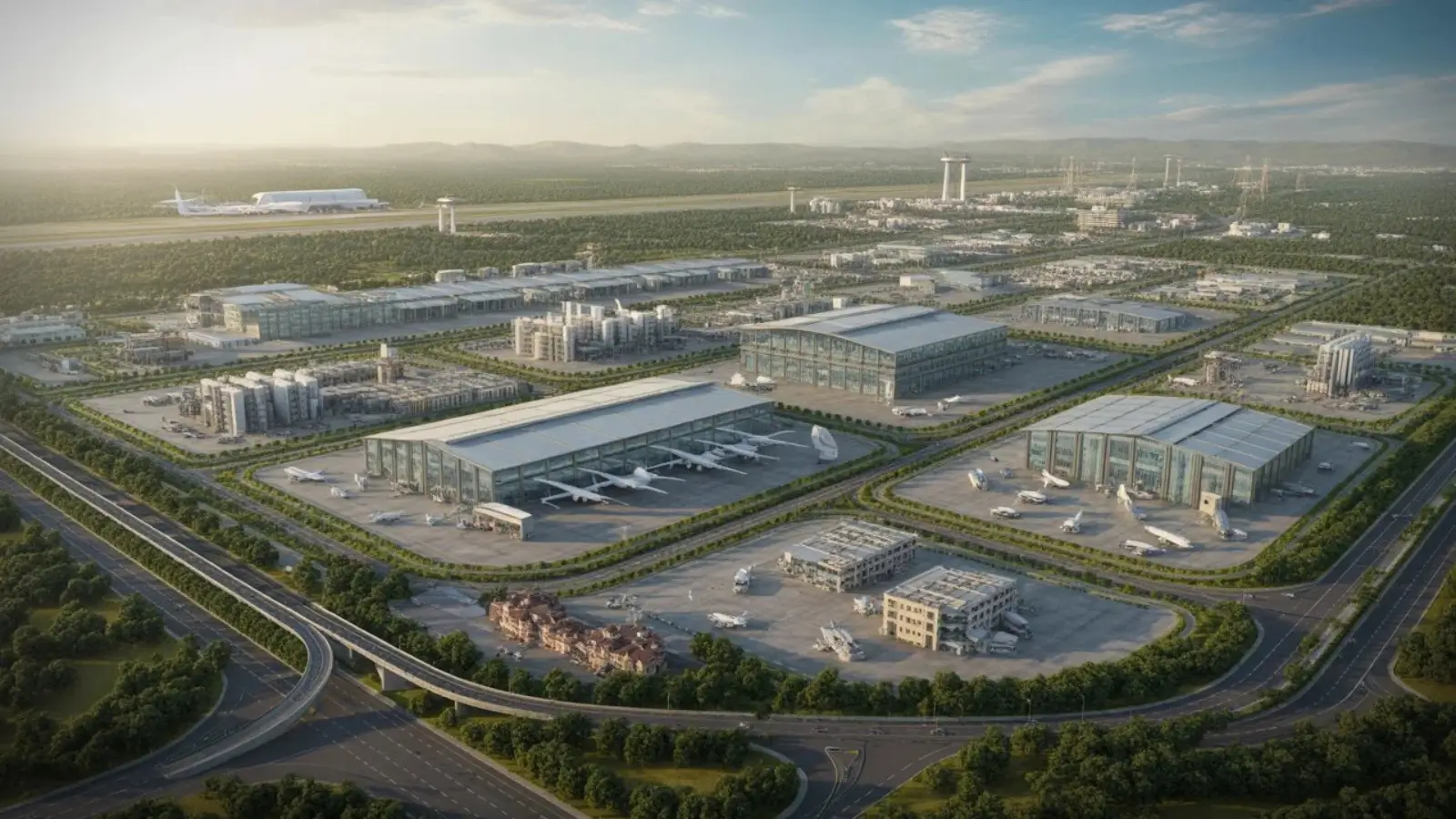
SEZs & Industrial Corridors Powering North Bangalore Real Estate
Discover how North Bangalore SEZs and industrial corridors drive jobs, attract skilled professionals, and support long-term residential demand across the airport corridor.