How Svam Realty Ensures Construction Quality in Plotted Projects
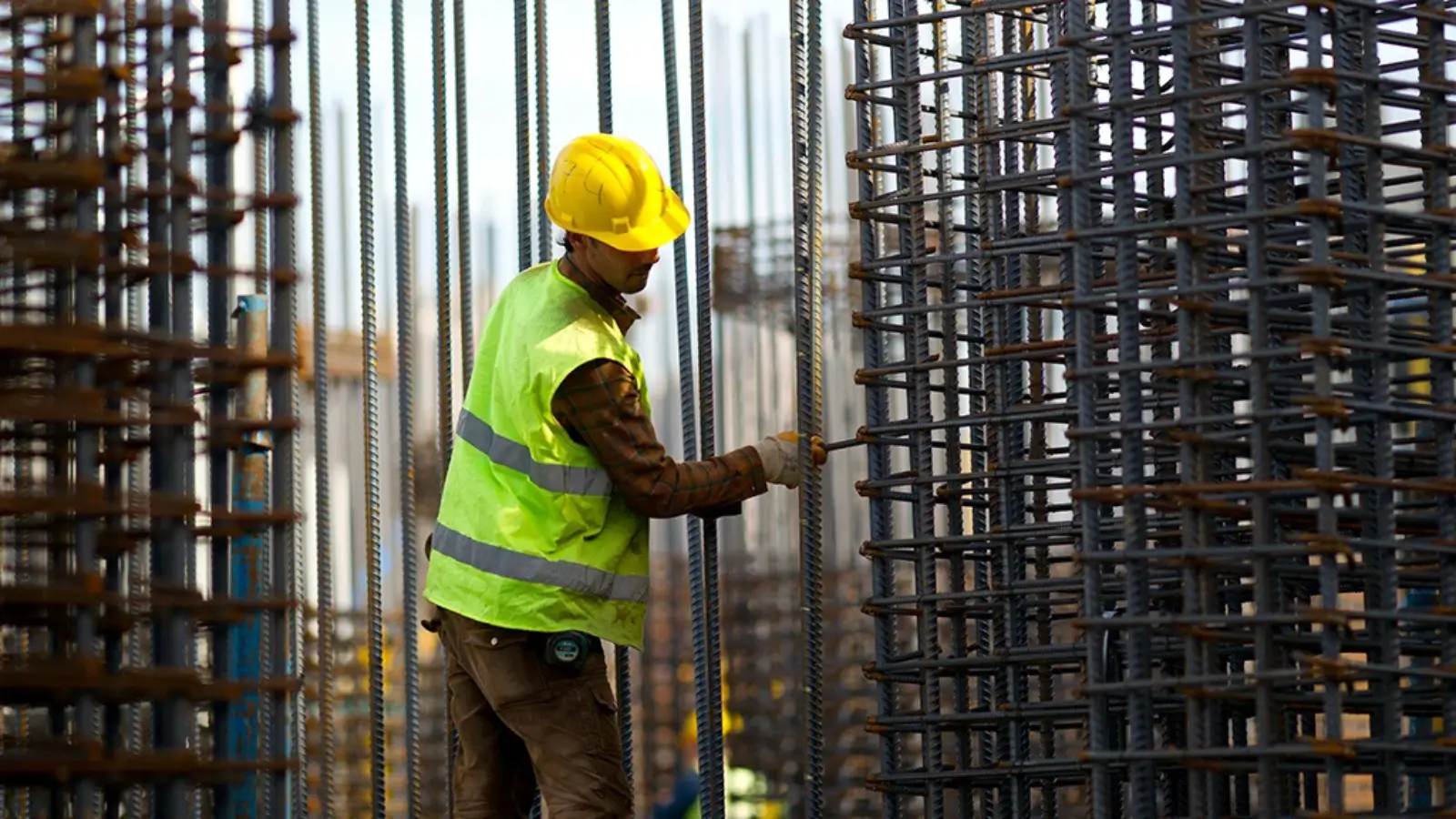
Learn how Svam Realty's construction quality focuses on sanctioned infrastructure, structural standards, and verified site development to build a reliable plotted community.
On a plotted development, quality lives in things you cannot always see - the roads beneath the tar, the drainage under the ground, the structural shell of each home. Understanding Svam Realty construction quality means understanding how those elements are handled. This piece explains the developer's approach to build standards on a plotted project like Aamaya, and what a buyer should verify.
Quality Starts with the Layout
The community's bones come first. On a plotted development, Svam Realty construction quality begins with the site development - the roads, drainage, and services that turn a parcel into a serviced community. These are delivered to a sanctioned standard before final approval, and they are the foundation on which every home is built. Get them right, and the rest follows.
This is the opposite of how many buyers instinctively assess quality. Drawn to visible finishes and show homes, they can overlook the unglamorous infrastructure that actually determines whether a community works. On a plotted development, the smart buyer inverts that instinct, paying most attention to the roads, drainage, and services precisely because they are hardest to fix later and easiest to overlook now.
The Structural Shell
Each home has a developer-set base. Under the managed model, the developer provides the zoning and a structural shell to a considered standard, and the resident personalises the finishes. This means the plotted development build standard for the core structure is consistent across the community, while interiors reflect each family. Consistency where it matters, freedom where it does not.
This division is quietly clever, because it standardises the elements a resident cannot easily judge or change while freeing the ones they can. Structural integrity and zoning are hard for a homeowner to assess and expensive to remedy, so the developer holds them to a set standard. Finishes, which are visible, personal, and straightforward to alter, are left open. The result protects quality without sacrificing individuality.
Sanctioned Infrastructure
The shared works are defined, not improvised. The sanctioned layout at Aamaya covers formation and metalling of roads, kerbs, culverts, and drains, along with street lighting, water supply, a Sewage Treatment Plant, and rainwater harvesting. This layout infrastructure quality is set by the approved plan and provided before final approval, which gives buyers a documented standard to hold the developer to.
A documented standard is worth more than a verbal assurance precisely because it can be enforced. When the infrastructure commitments are part of a sanctioned, registered plan, they are not promises that can quietly shrink but obligations on the public record. For a buyer, that shifts the conversation from trusting a sales pitch to checking a document, which is a far stronger position to verify from.
Why Infrastructure Quality Matters
On a plot, the invisible works matter most. Poor roads, weak drainage, or inadequate services undermine a community regardless of how good individual homes look. Strong layout infrastructure quality is therefore the truest measure of construction quality on a plotted project, because it determines how the community performs over decades, not just how it looks on opening day.
The Role of Registration
Regulation reinforces quality. Because Aamaya is RERA-registered and sanctioned by the planning authority, its plan and infrastructure commitments are on the public record. That documentation supports construction quality by tying it to an approved standard a buyer can check, rather than leaving it to reputation alone.
What Buyers Should Verify
Trust, but confirm. Ask about the sanctioned infrastructure, check the approved plan, and where possible inspect the developer's delivered communities to see the standard in practice. A buyer who verifies the plotted development build standard for themselves is far better placed than one who takes quality claims at face value.
Quality as a Long-Term Measure
Judge quality over time, not on day one. The real test of a plotted community's construction is how its roads, drainage, and services hold up over years of use. A developer that builds the shared infrastructure to a sound standard is investing in that long-term performance, which is what a plot buyer ultimately relies on.
In summary, construction quality on a plotted project rests on the layout infrastructure and the structural shell, both delivered to a sanctioned standard at Aamaya. Verify the approved plan and, where possible, the developer's delivered work, and you can judge the standard with confidence.
In the end, construction quality on a plot is a question you answer with your eyes and your paperwork, not with a sales conversation. Walk the developer's finished communities, read the sanctioned plan, and check that the infrastructure commitments are on the public record. A buyer who does that trades vague reassurance for verifiable evidence, which is the only sound basis for trusting the quality of what lies beneath a plot.
Related Articles

Government Policies & Guidance Value Shaping Bangalore Property
Understand Bangalore guidance value 2026, stamp duty, registration charges, and Karnataka property policy to budget your property purchase accurately and avoid surprises.
Smart-City & Infrastructure Spending in North Bangalore
Explore how North Bangalore infrastructure spending on roads, metro, and civic upgrades is improving connectivity, liveability, and the corridor's long-term appeal.
Bangalore's Aerotropolis: How the Airport Is Reshaping the North
Explore how Bangalore's airport-led aerotropolis is reshaping North Bengaluru, driving jobs, infrastructure, and housing growth, while strengthening the long-term appeal of the airport corridor.

SEZs & Industrial Corridors Powering North Bangalore Real Estate
Discover how North Bangalore SEZs and industrial corridors drive jobs, attract skilled professionals, and support long-term residential demand across the airport corridor.