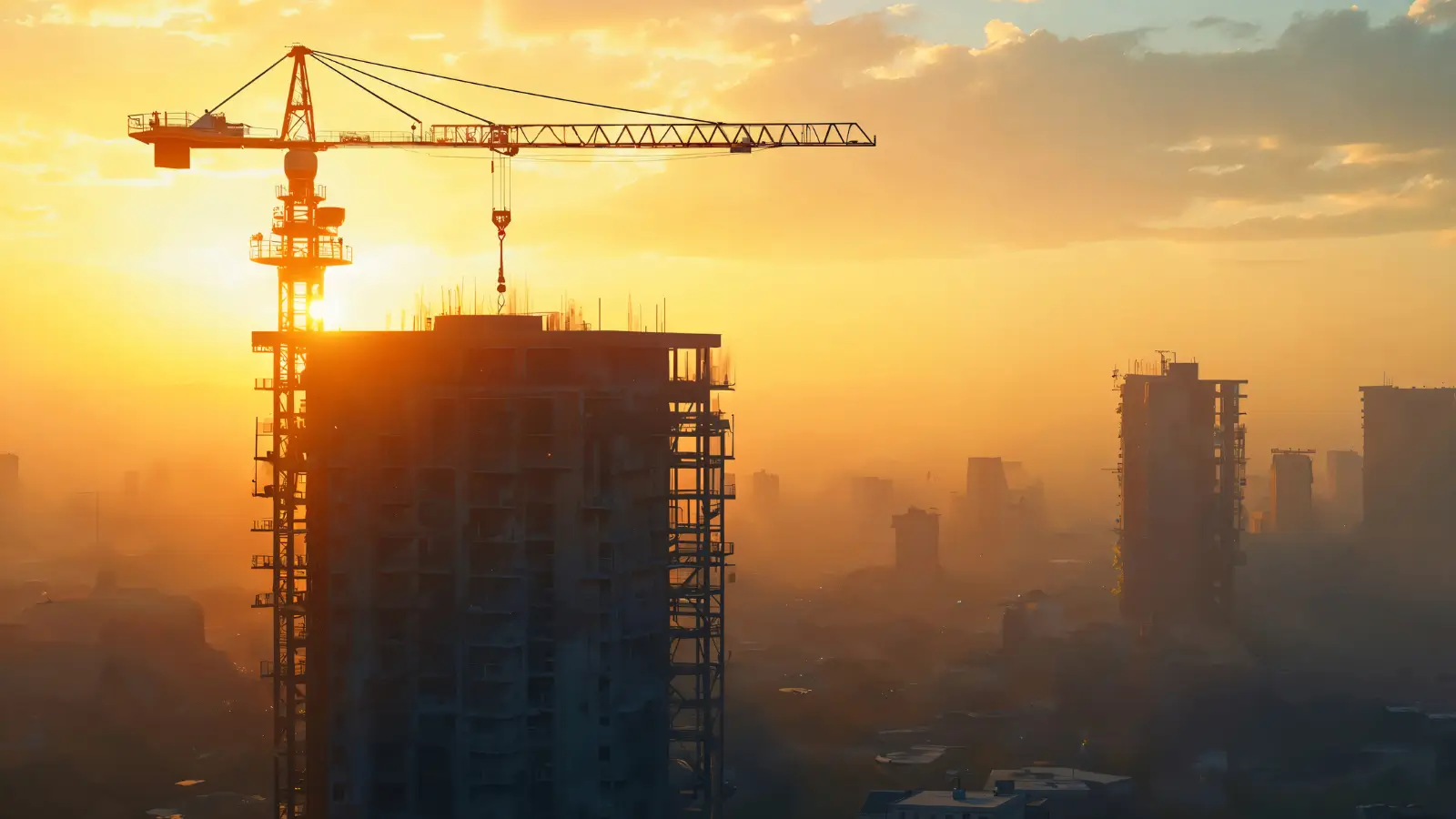
Track the Aamaya construction timeline from its 2026 start to the registered 2029 completion, including sanctioned infrastructure works, development status, and key milestones.
On a plotted development, the timeline you should care about is the site infrastructure, not a tower rising floor by floor. This piece sets out the Aamaya construction timeline towards its 2029 completion, and what the sanctioned works actually cover. Aamaya is a fifteen-plot villa community at Nandi Hills, Doddaballapura, and its build phase runs on a documented schedule.
The Headline Dates
Two dates frame everything. Development started on 1 February 2026, and the registered completion date is 31 January 2029. That gives a defined window, filed with the regulator, against which progress can be measured rather than guessed at.
Those dates are more than a formality. Because they are filed with the regulator, they give buyers a documented commitment to measure against, rather than a moving target set by sales talk. When you track a project, having a registered start and completion is what makes progress meaningful rather than anecdotal.
What Gets Built on a Plotted Layout
The works here are the shared infrastructure, not individual homes. The sanctioned schedule covers formation and metalling of internal roads, kerbs, culverts, and road-side drains, along with street lighting across the layout. Tracking plotted layout progress means watching these elements come together, since they are what turn a parcel into a serviced community.
It helps to picture the sequence. Roads and drainage come first, then services and lighting, and the landscape works knit the community together. Each of these is a visible marker of progress, so a buyer who understands the sequence can read a site visit far more accurately than one who only asks whether homes have gone up.
Water, Sewage, and Sustainability
Services are a major part of the programme. The plan includes water supply with treated-water reuse, a Sewage Treatment Plant with soak pits, and rainwater harvesting across the community. Tree-planting along road frontages and a solid-waste compost area complete the sustainability works. These are provided before final approval.
Sustainability is built into the schedule rather than added on. Treated-water reuse, rainwater harvesting, and a compost area are part of the sanctioned works, which means the community's environmental basics are planned from the start. For a foothill setting, that kind of provision matters both practically and for the long-term feel of the place.
For a buyer, the useful discipline is to match what you see on site to what is filed. Ask the team where the sanctioned works currently stand, then confirm that against the registered plan and your own plot's position. That habit turns a site visit into real information rather than an impression, and it keeps your expectations tied to the documented schedule rather than to hopeful estimates. Over a multi-year programme, that is the difference between planning well and being caught out.
In short, the construction timeline at Aamaya is best treated as a document to track rather than a promise to trust. The dates are filed, the sanctioned works are defined, and progress can be checked at each visit. A buyer who follows the works stage by stage will always have a clearer, more honest picture of the project than one who waits for finished homes to appear.
That patience with the detail is rewarded, because a serviced, well-built layout is the foundation every villa here will stand on.
Checking Development Status
Buyers can follow progress rather than take it on trust. The Aamaya development status is on the public record as a registered, ongoing project, and the team shares current progress on request. Reading the filing alongside a site visit gives the clearest picture of where the works stand.
Why the Managed Model Affects Timing
Homes here follow the infrastructure. Because the developer delivers the site and the structural shell while owners personalise interiors, the community's shared works and each villa's build run on linked but distinct tracks. The Aamaya construction timeline is best read as the shared infrastructure programme, with individual villa timelines confirmed per plot.
Tracking It Yourself
A simple habit helps. Note the registered completion date, ask the team for current progress on the sanctioned works, and confirm your own plot's position within the layout. Those three checks keep your expectations aligned with the documented schedule.
Timeline at a Glance
Milestone | Detail |
|---|---|
Development start | 1 February 2026 |
Sanctioned works | Roads, drainage, lighting, water, STP, rainwater harvesting |
Status | Registered, ongoing |
Completion (registered) | 31 January 2029 |
Read this way, the timeline is a schedule to track, not a promise to hope on. The dates are filed, the works are defined, and progress can be checked as the project moves towards 2029.
Related Articles

Government Policies & Guidance Value Shaping Bangalore Property
Understand Bangalore guidance value 2026, stamp duty, registration charges, and Karnataka property policy to budget your property purchase accurately and avoid surprises.
Smart-City & Infrastructure Spending in North Bangalore
Explore how North Bangalore infrastructure spending on roads, metro, and civic upgrades is improving connectivity, liveability, and the corridor's long-term appeal.
Bangalore's Aerotropolis: How the Airport Is Reshaping the North
Explore how Bangalore's airport-led aerotropolis is reshaping North Bengaluru, driving jobs, infrastructure, and housing growth, while strengthening the long-term appeal of the airport corridor.
SEZs & Industrial Corridors Powering North Bangalore Real Estate
Discover how North Bangalore SEZs and industrial corridors drive jobs, attract skilled professionals, and support long-term residential demand across the airport corridor.